Three Docking Techniques to Master
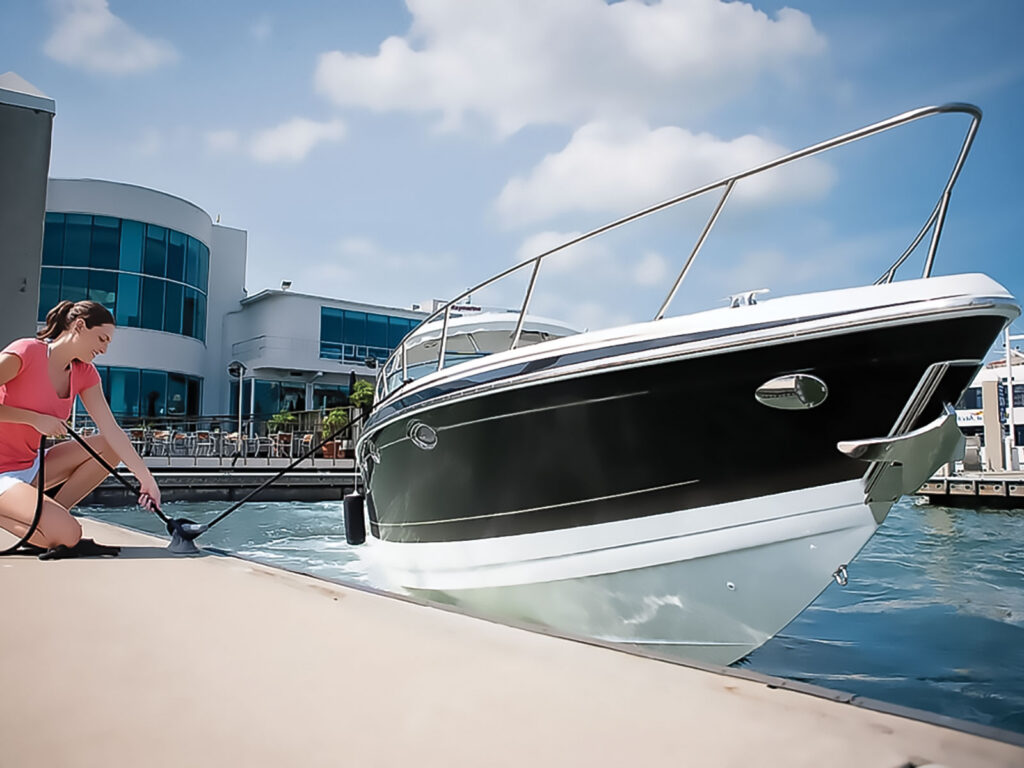
Anxious about docking your boat? Here are three tried and true ways to dock a boat in some of the more difficult situations.

Anxious about docking your boat? Here are three tried and true ways to dock a boat in some of the more difficult situations.
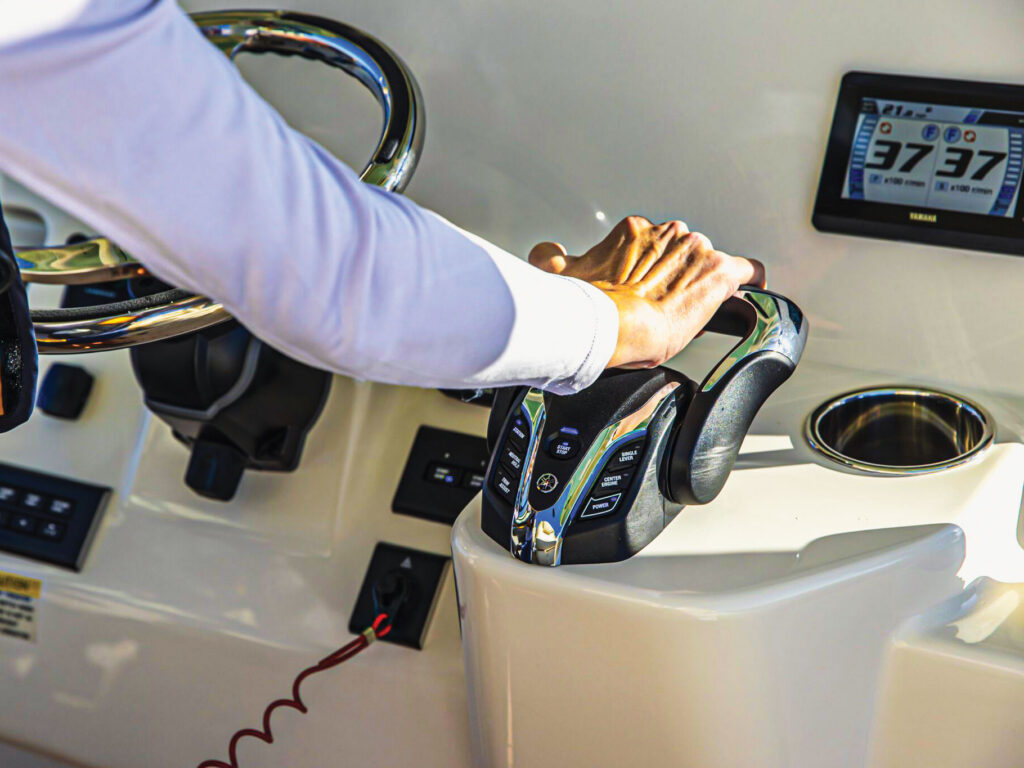
Three safety tips for preventing scenarios in which the binnacle control lever can be unexpectedly advanced.

Technology has made captaining a boat easier and safer than it’s ever been, but these skills are still important to learn.
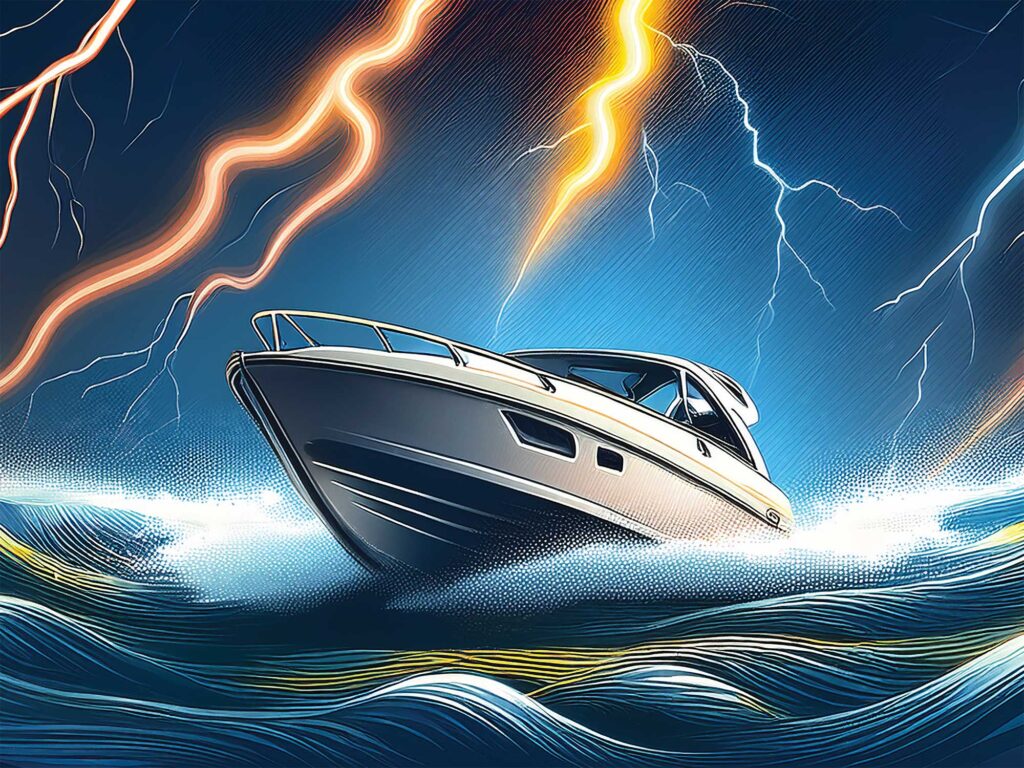
Boating isn’t always blue skies, sunshine, and calm seas. Learn how to stay safe aboard your boat when the wind comes up.

When conditions prevent a fellow boater from contacting the USCG directly, a Good Samaritan steps in to help as a VHF relay.

What should you do first in a specific situation? Here are five boating emergencies, and ways they might be handled.
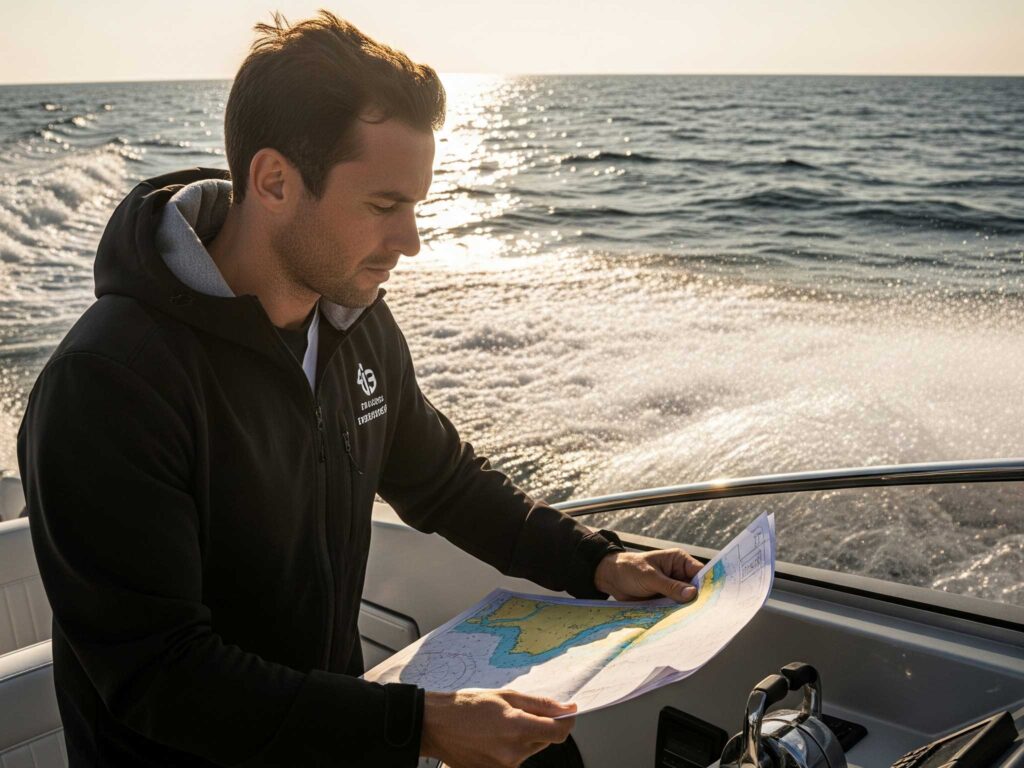
The Rule of 60 is good to know and even practice to increase your nautical knowledge.
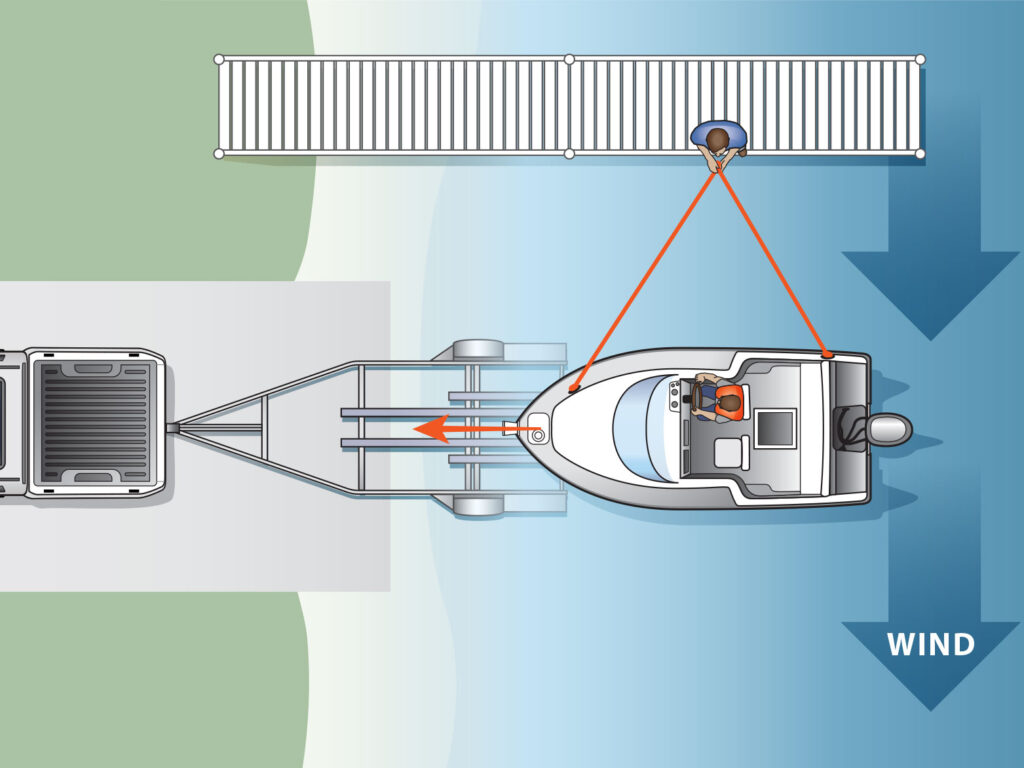
Balancing thrust, current strength and a good plan are keys to loading your boat while fighting a strong crossing current.
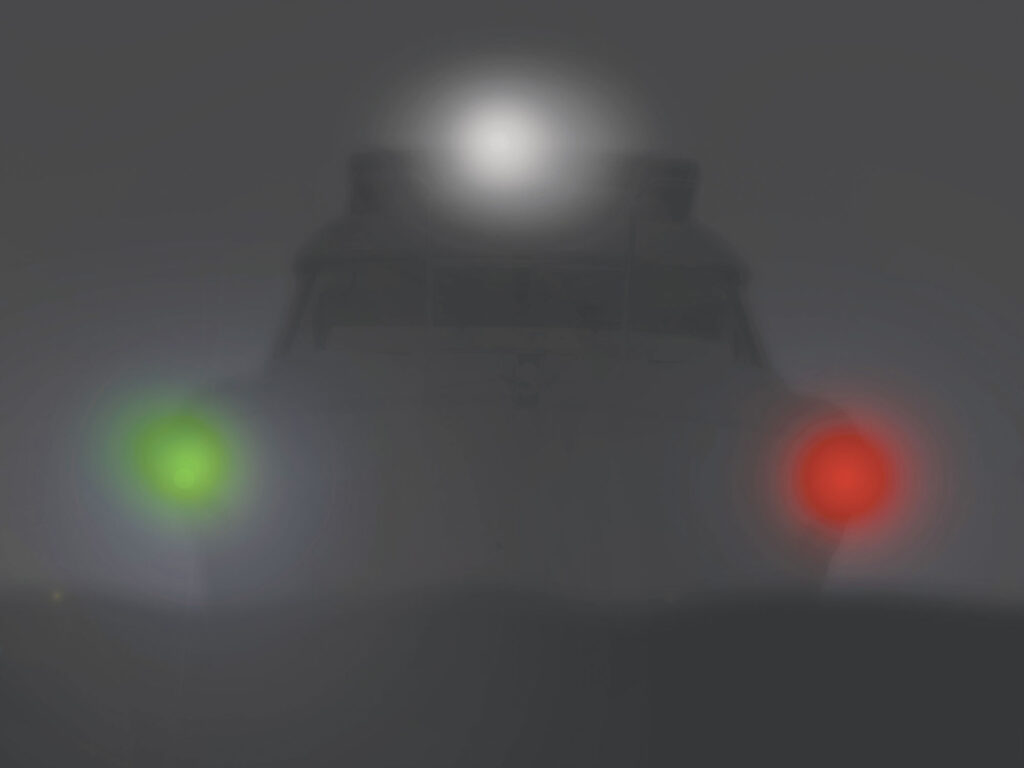
It’s important to be seen and know what you’re seeing on the water when boating in the dark. It all starts with nav lights.

In an emergency, many things need to be done, often at once.

Are physical navigation aids a thing of the past?
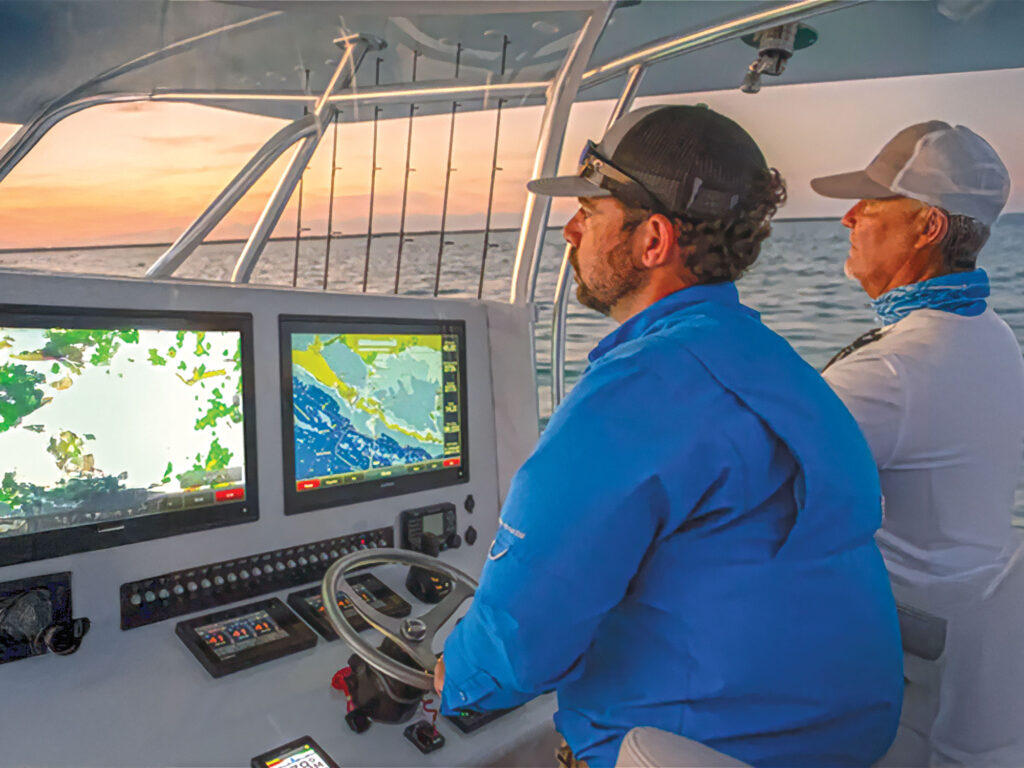
Having a co-captain can help ensure the safety of you, your crew and your vessel while out on the water on boating.
Anxious about docking your boat? Here are three tried and true ways to dock a boat in some of the more difficult situations.
Three safety tips for preventing scenarios in which the binnacle control lever can be unexpectedly advanced.
Technology has made captaining a boat easier and safer than it’s ever been, but these skills are still important to learn.
Boating isn’t always blue skies, sunshine, and calm seas. Learn how to stay safe aboard your boat when the wind comes up.
When conditions prevent a fellow boater from contacting the USCG directly, a Good Samaritan steps in to help as a VHF relay.
What should you do first in a specific situation? Here are five boating emergencies, and ways they might be handled.
The Rule of 60 is good to know and even practice to increase your nautical knowledge.
Balancing thrust, current strength and a good plan are keys to loading your boat while fighting a strong crossing current.
It’s important to be seen and know what you’re seeing on the water when boating in the dark. It all starts with nav lights.
In an emergency, many things need to be done, often at once.
Are physical navigation aids a thing of the past?
Having a co-captain can help ensure the safety of you, your crew and your vessel while out on the water on boating.