You want a boat. But you can’t decide which one, right? Like any other game, boat buying is won and lost in the preparation. You need to get your priorities straight, your goals clear and your ducks in a row before you begin. Apply the principles charted here to help you make the best decision.
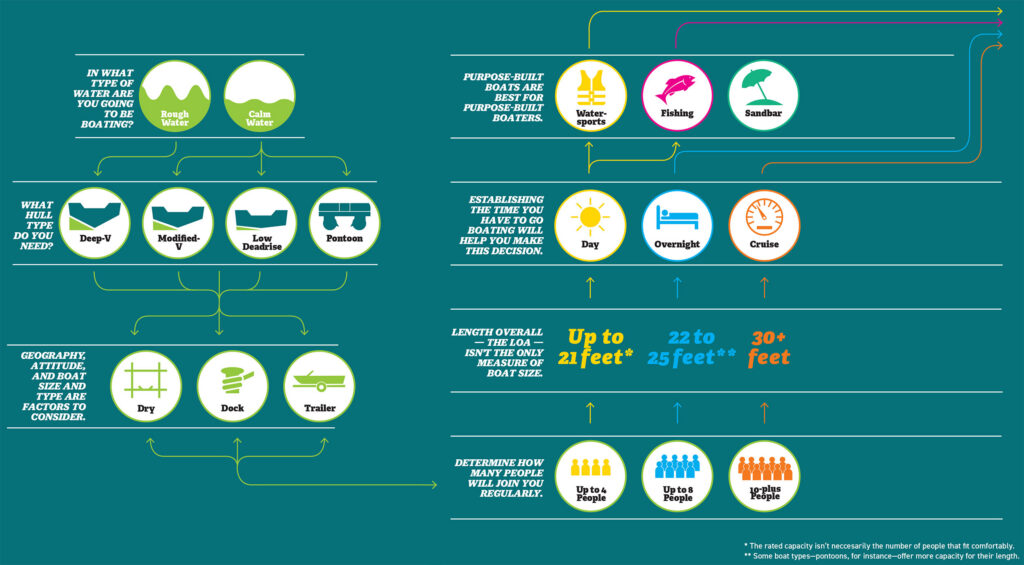
Water Type
Determining the type of water you intend to boat in most of the time drives a cascading series of decisions that can affect diverse characteristics—from which beach or cove you can explore to your economy of operation. Hulls with deeper-V shapes ride more smoothly but draw more water and may require more power to achieve a given speed.
Wet or Dry?
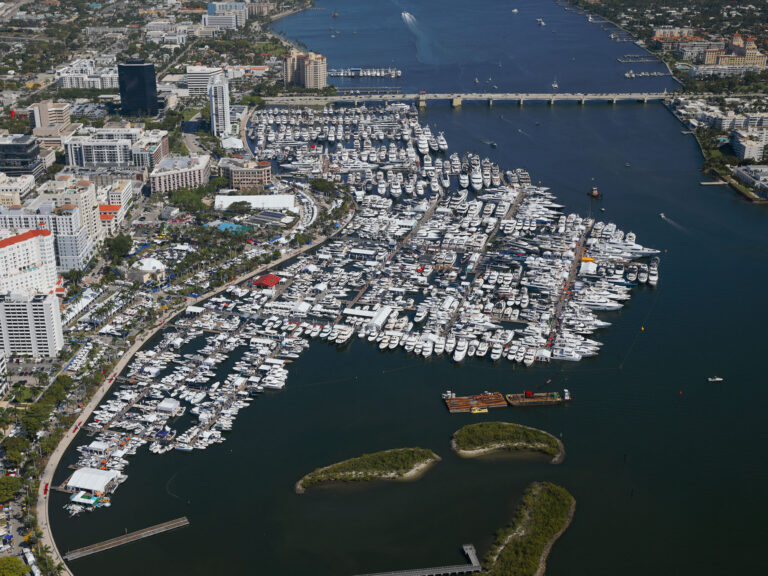
Marinas and dry stacks are costly but convenient. A trailer requires maintenance and registration, yet provides self-sufficient freedom.
Crew Size
The rated capacity, or the number of berths or seats, isn’t necessarily equal to the number of people that will be comfortable aboard. What’s your average outing duration?
Size Wise
Displacement is a measure of volume and thus a better indicator of a boat’s size, especially for a cruiser. Most service fees are based on length overall.
Bed-and-Breakfast?
Is sleeping aboard a reality for you? An alternative is to cruise to waterside hotels. Of course nothing beats dawn breaking in a scenic cove.
Compromises?
You can fish aboard a ski boat, ski from a fish boat and party aboard any boat. Be sure to consider the compromises before you buy.
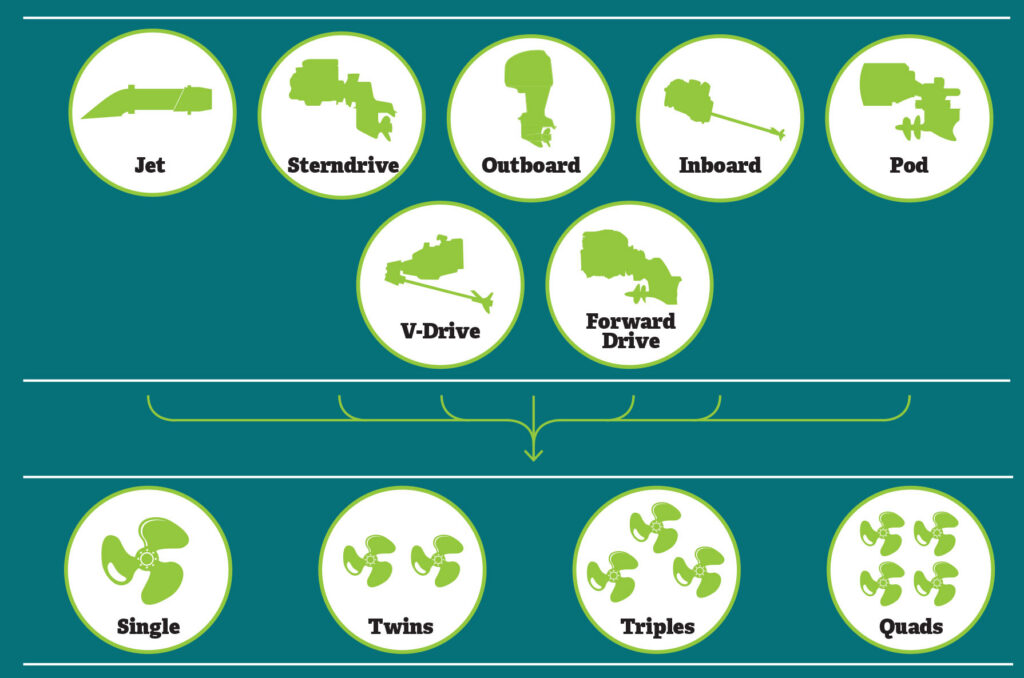
Power Type
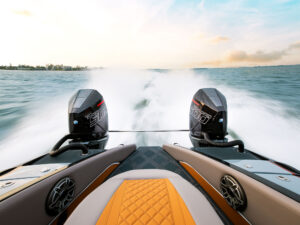
Power choices are more varied than ever. Runabouts with jets and outboards now compete with
sterndrives, and larger boats now feature pods or outboards in addition to sterndrives and inboards. Multiple engines make sense for enhanced dockside maneuverability, redundant safety for boaters operating far from shore and the production of enough horsepower to make the boat plane. How much is that? As a rule of thumb, look for a minimum of 100 horsepower per 2,000 pounds of displacement, including the weight of engines, gear and crew.
Pay for It
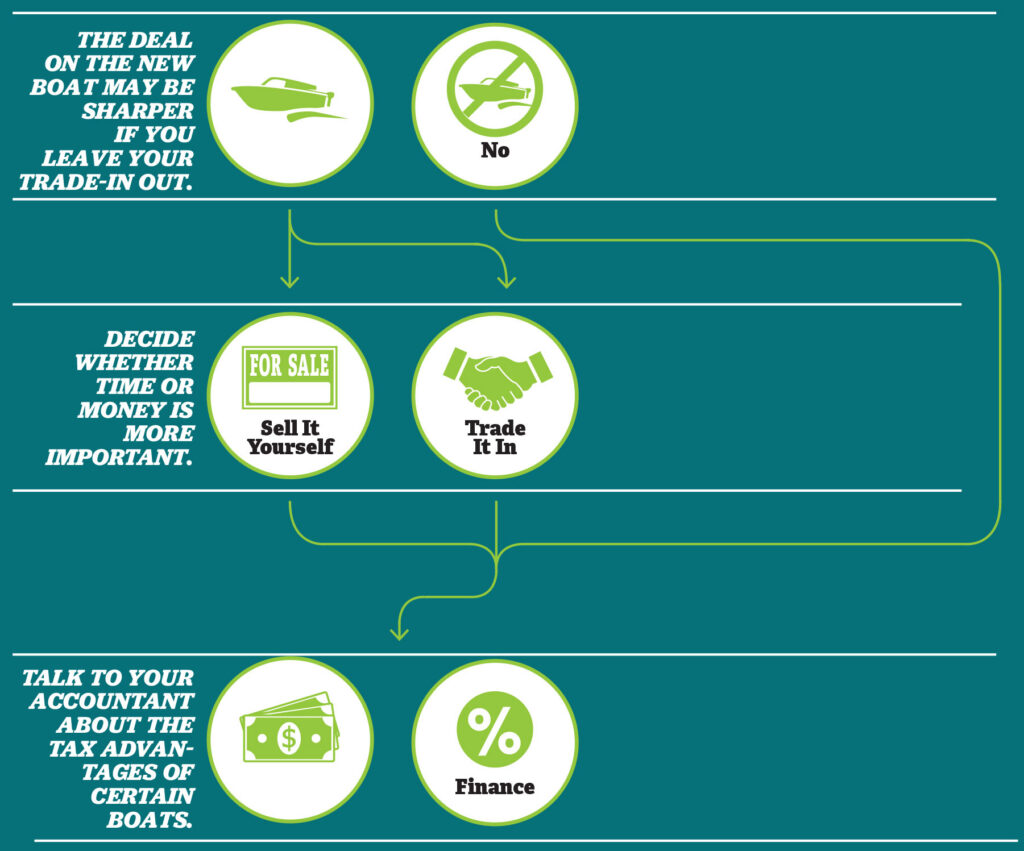
You can plunk down a bag of cash for a boat, get a loan, or use a combination of trade-in, cash, and financing. You know the price now, but you won’t know the cost until you sell the boat or trade it in. Boat-loan rates averaged between 6 and 10 percent as we went to press, but rates change, so shopping as hard for financing as for the boat pays off.
Coming Clean
When you trade in your boat, your dealer has to sell two boats to make one sale. This can weaken your negotiating position.
For Sale
Trading in is often simpler. Selling it yourself usually nets a higher price but takes time and offers no tax advantages.
True Cost
Boat loans can be stretched out over many years, easing the “cost entry.” Paying cash makes trading up — or out — easier.
Read Next: When Is It Time to Buy a New Boat?
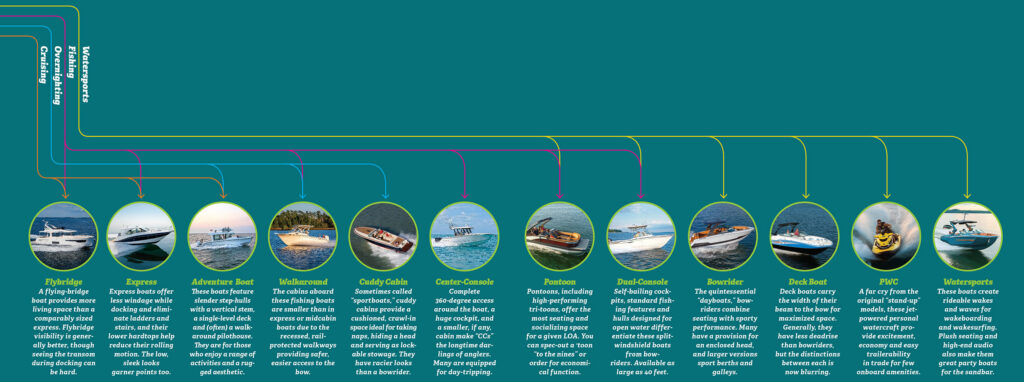
Boat Types
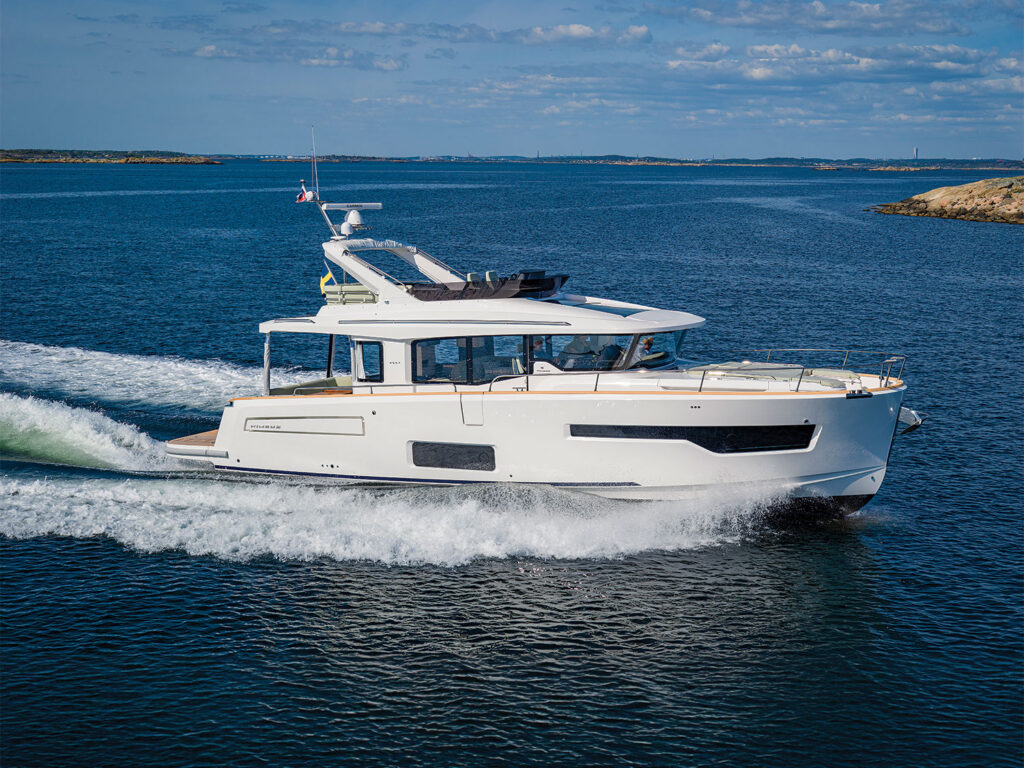
Flybridge
A flying-bridge boat provides more living space than a comparably sized express. Flybridge visibility is generally better, though seeing the transom during docking can be hard.
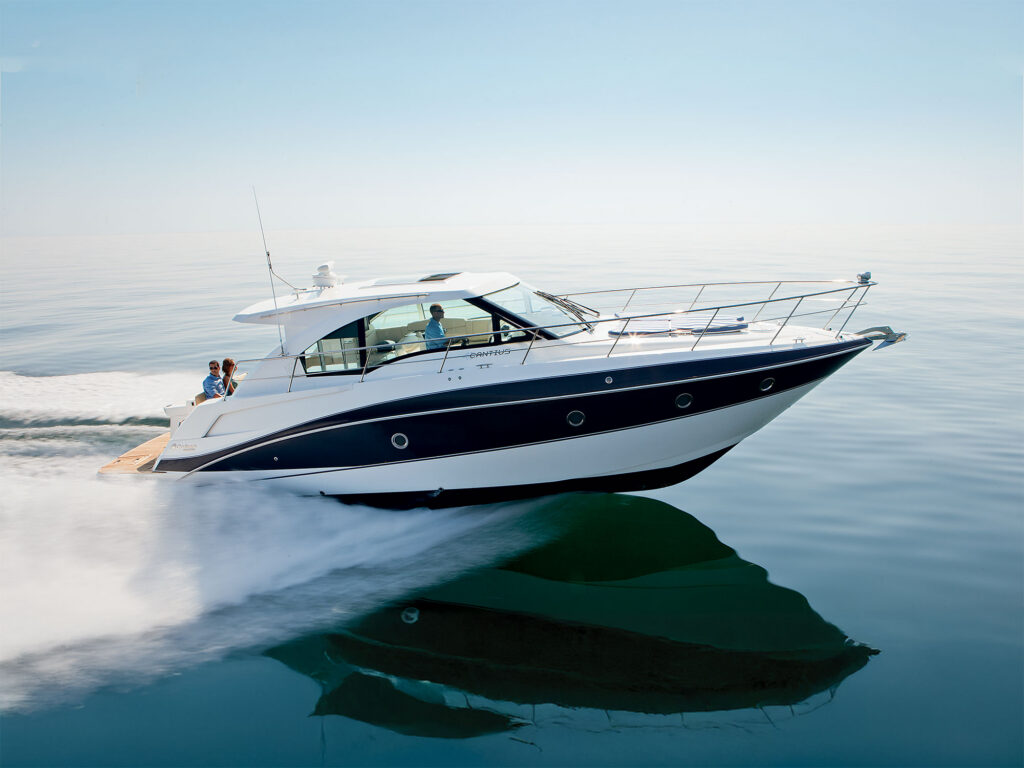
Express
Express boats offer less windage while docking and eliminate ladders and stairs, and their lower hardtops help reduce their rolling motion. The low, sleek looks garner points too.
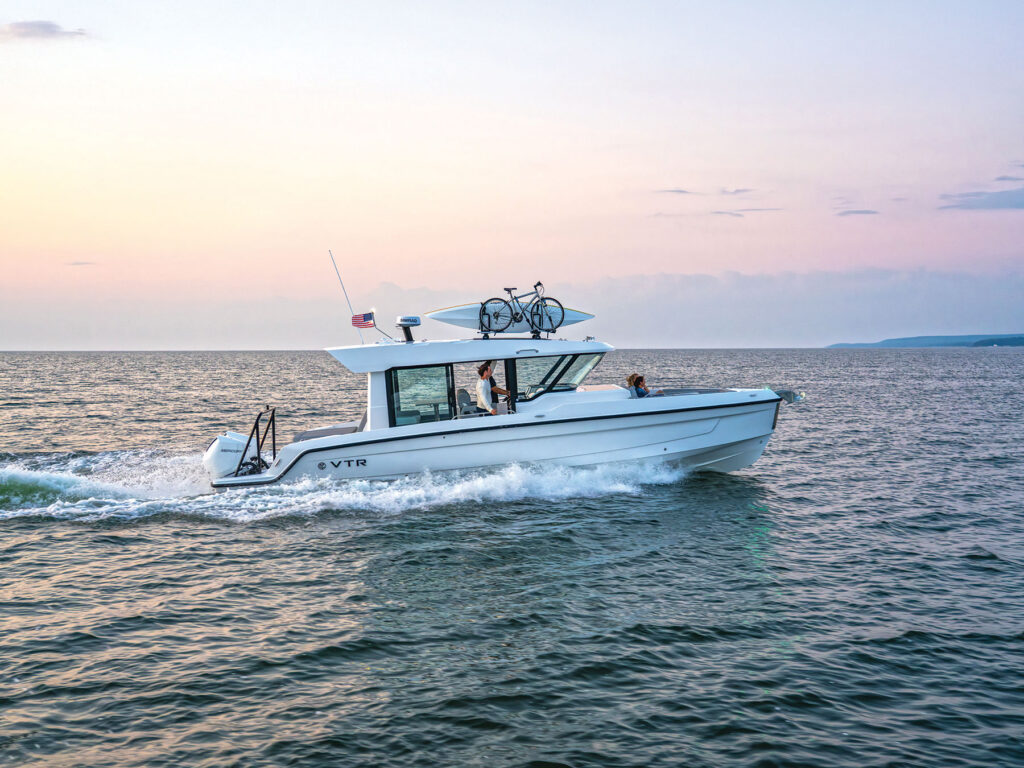
Adventure Boat
These boats feature slender step-hulls with a vertical stem, a single-level deck and (often) a walk-around pilothouse. They are for those who enjoy a range of activities and a rugged aesthetic.

Walkaround
The cabins aboard these fishing boats are smaller than in express or midcabin boats due to the recessed, rail-protected walkways providing safer, easier access to the bow.
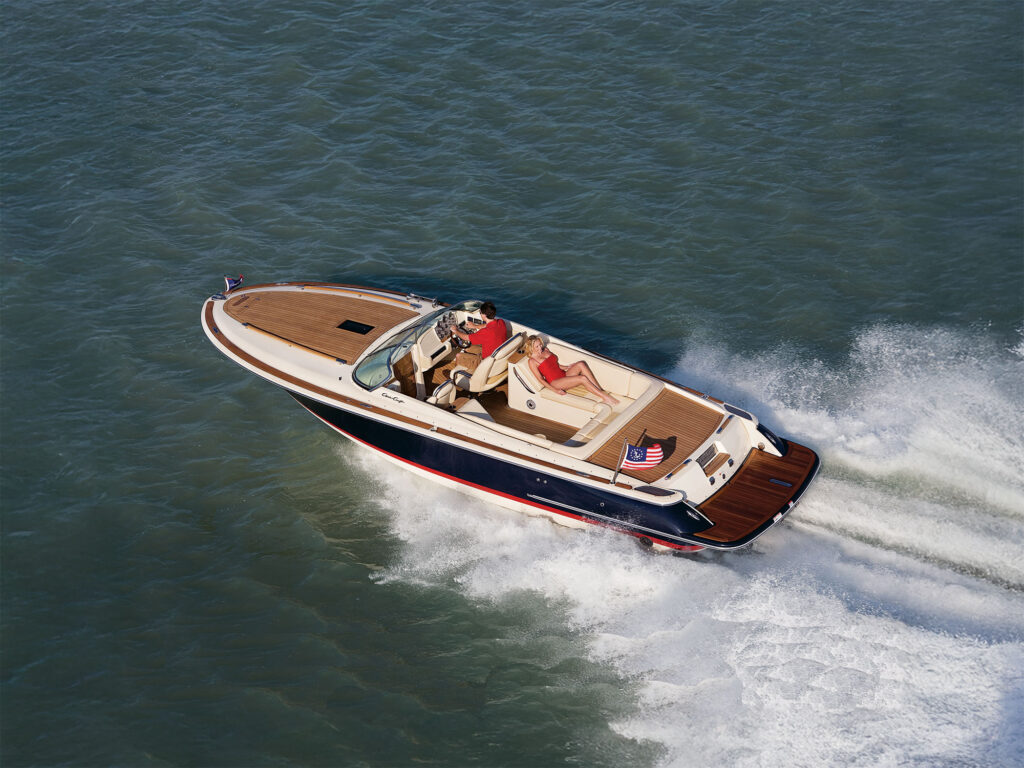
Cuddy Cabin
Sometimes called “sportboats,” cuddy cabins provide a cushioned, crawl-in space ideal for taking naps, hiding a head and serving as lockable stowage. They have racier looks than a bowrider.
Center-Console
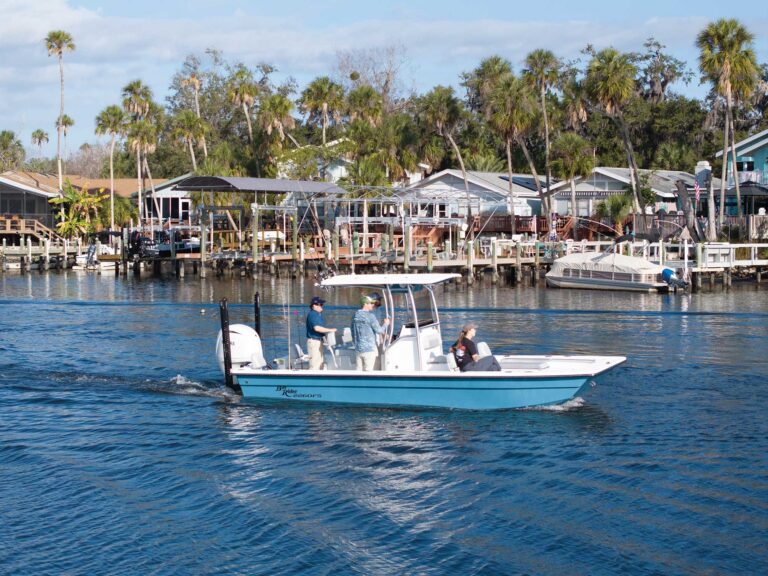
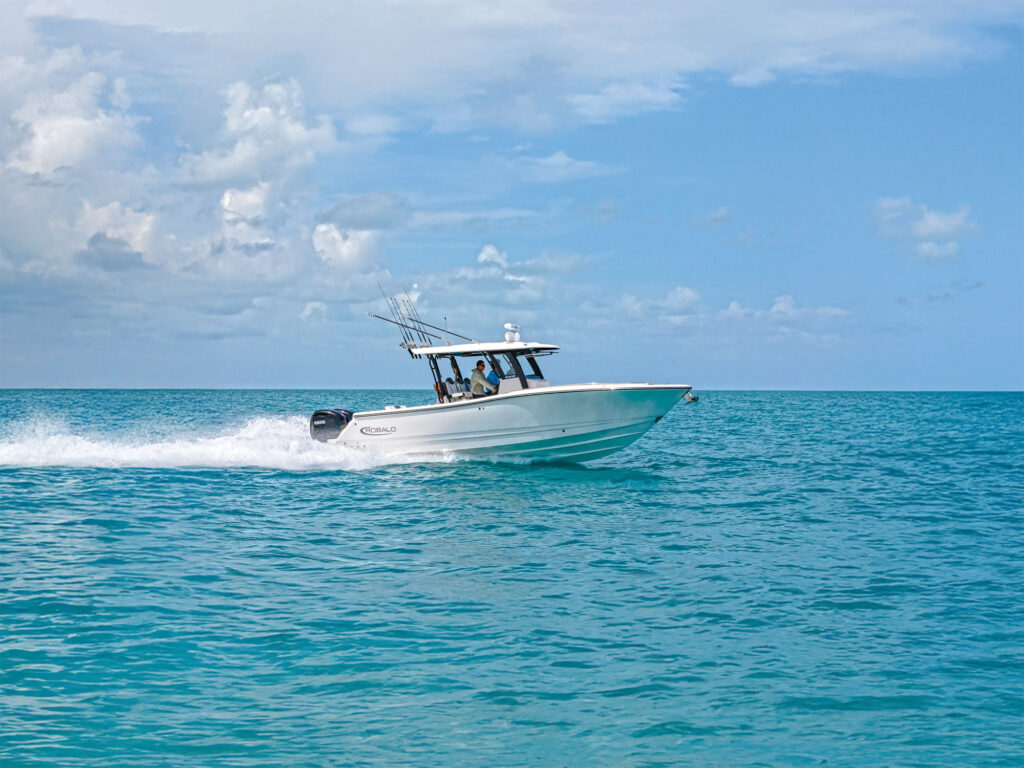
Complete 360-degree access around the boat, a huge cockpit, and a smaller, if any, cabin make “CCs” the longtime darlings of anglers. Many are equipped for day-tripping.
Pontoon
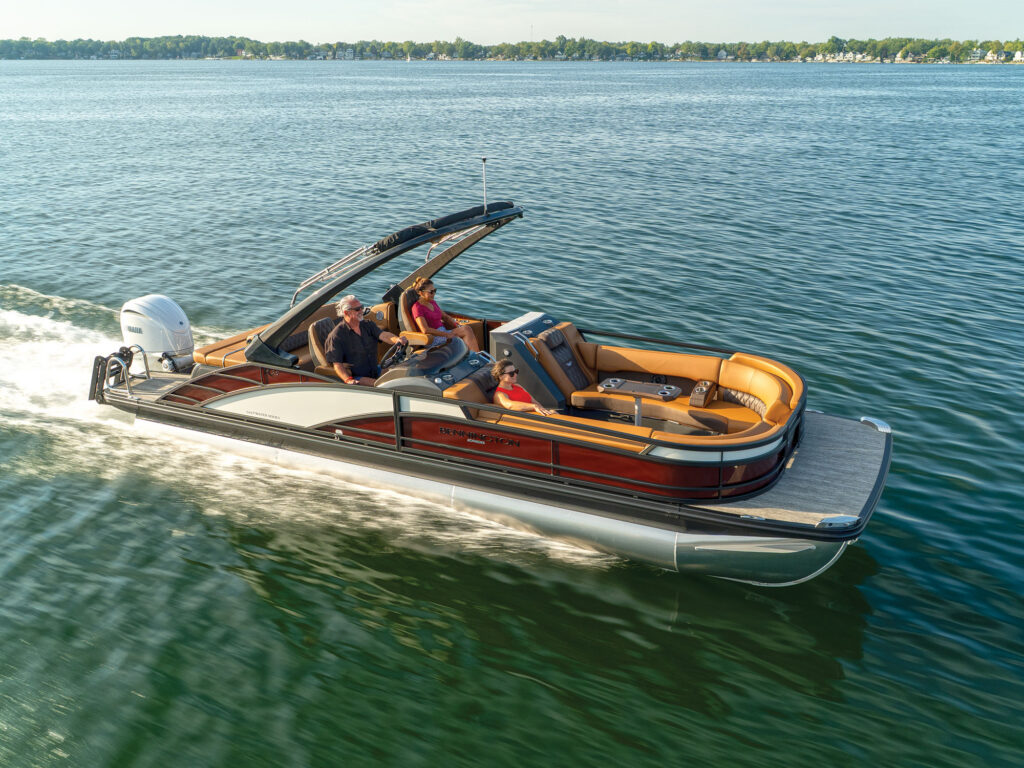
Pontoons, including high-performing tri-toons, offer the most seating and socializing space for a given LOA. You can spec-out a ’toon “to the nines” or order for economical function.
Dual-Console
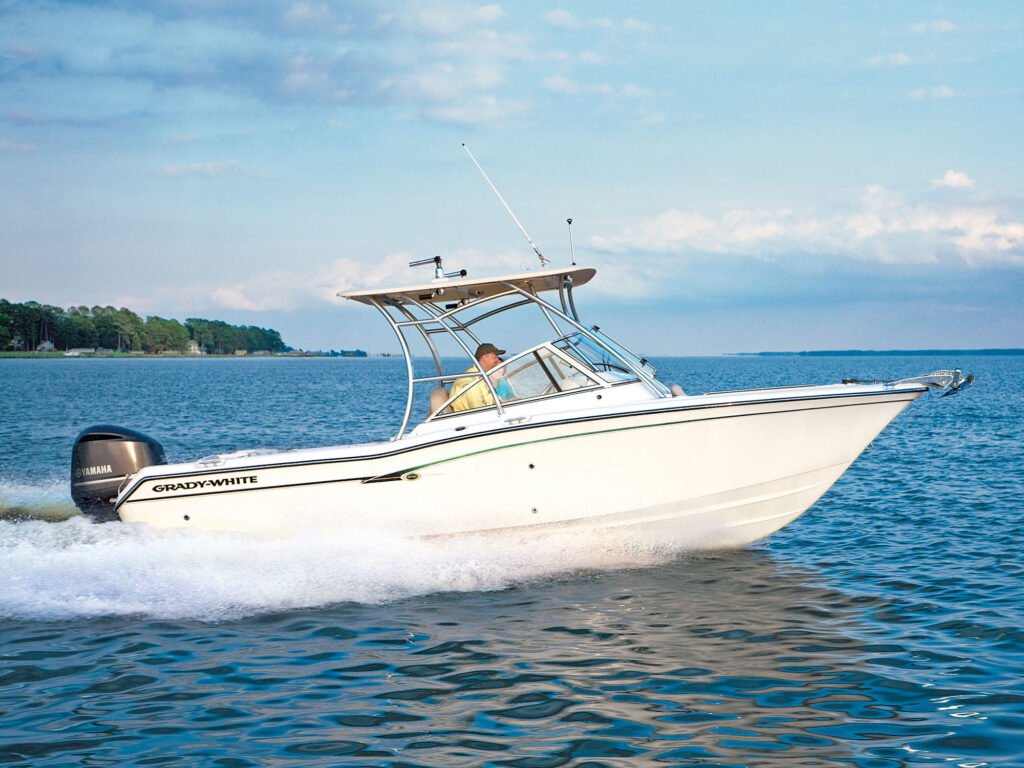
Self-bailing cockpits, standard fishing features and hulls designed for open water differentiate these split-windshield boats from bow-riders. Available as large as 40 feet.

Bowrider
The quintessential “dayboats,” bowriders combine seating with sporty performance. Many have a provision for an enclosed head, and larger versions sport berths and galleys.
Deck Boat
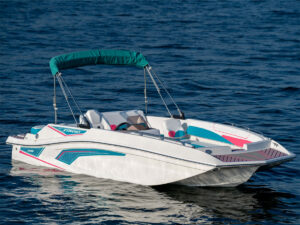
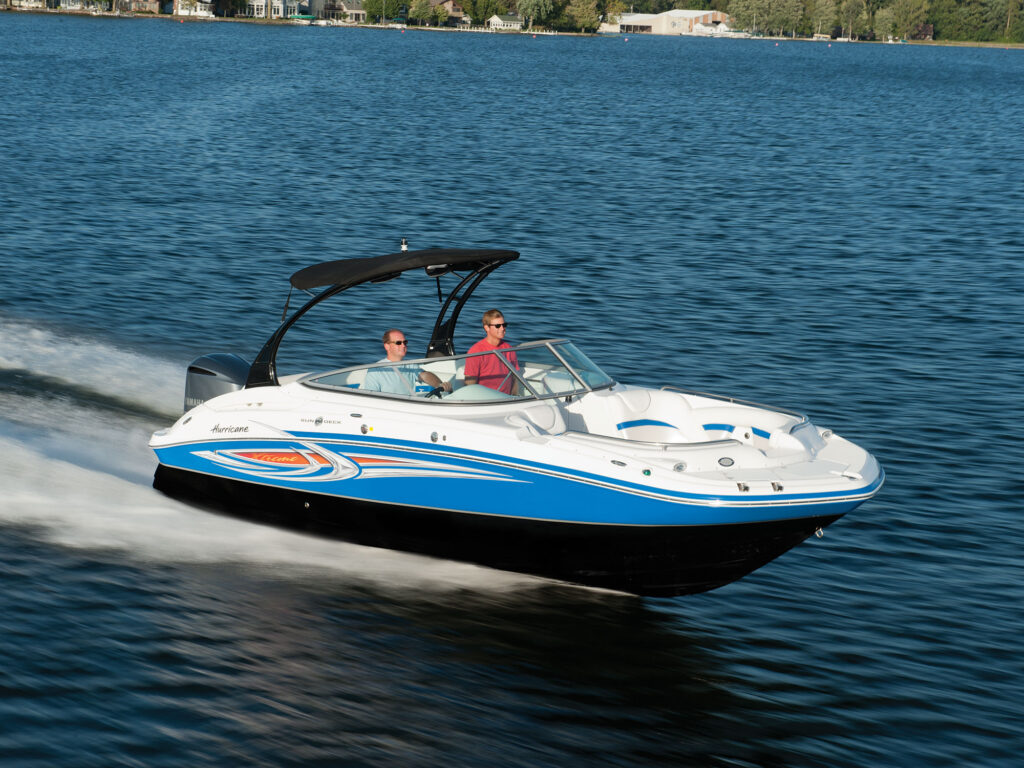
Deck boats carry the width of their beam to the bow for maximized space. Generally, they have less deadrise than bowriders, but the distinctions between each is now blurring.

PWC
A far cry from the original “stand-up” models, these jet-powered personal watercraft provide excitement, economy and easy trailerability in trade for few onboard amenities.

Watersports
These boats create rideable wakes and waves for wakeboarding and wakesurfing. Plush seating and high-end audio also make them great party boats for the sandbar.