With more than 11.6 million registered recreational boats on the water across the United States, boating remains one of America’s favorite outdoor activities. With all those people enjoying our nation’s waterways, there’s bound to be a few mishaps – 3,887 reported incidents and more than $88 million in property damage to be exact. That’s according to the U.S. Coast Guard’s 2024 Recreational Boating Statistics (the most recent available as of May 2026).
The Coast Guard reported 556 recreational boating deaths in 2024, which is the lowest tally in more than 50 years. Still, the analysis shows that many boating accidents and fatalities could have been prevented with a few smart decisions before leaving the dock. Here’s how.
Operator Inattention Is the Biggest Problem
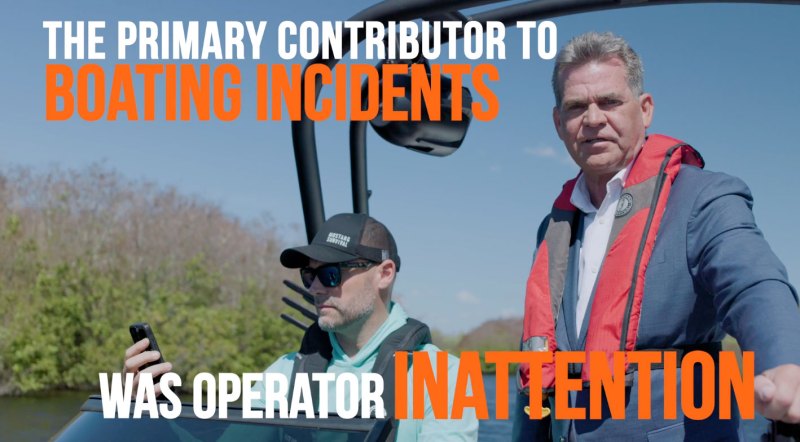
The leading contributor to overall boating incidents was operator inattention, according to the Coast Guard data. Whether distracted by electronics, conversations onboard, changing weather conditions or heavy traffic, losing focus at the helm continues to cause collisions, groundings and injuries.
Many accidents occurred because operators either failed to maintain a proper lookout, misunderstood right-of-way rules or operated at unsafe speeds for the conditions.
For recreational boaters, especially during busy weekends or holiday traffic, staying alert and maintaining situational awareness can make all the difference.
Alcohol Plays a Deadly Role
Alcohol use remains the leading known factor in fatal boating incidents. Boating combines sun exposure, heat, dehydration and motion, all of which can intensify the effects of alcohol.
Even experienced captains can experience slower reaction times and impaired judgment after only one drink. The Coast Guard’s latest findings reinforce a simple message: designate a sober operator every time you head out on the water.
Life Jackets Save Lives
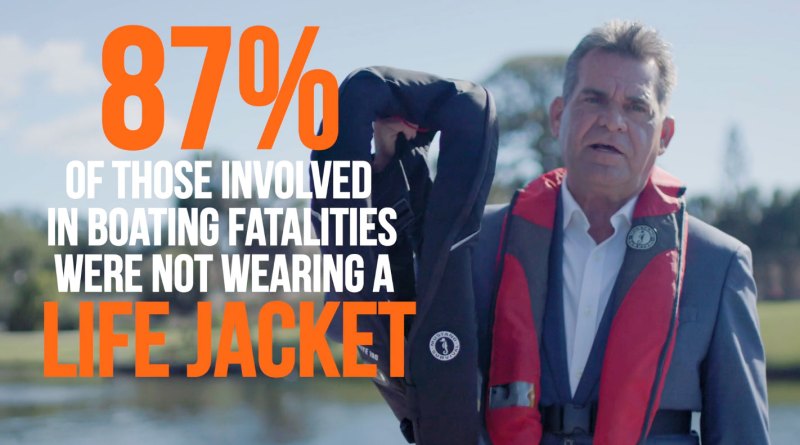
One of the most sobering statistics in the report is that 87 percent of people involved in boating fatalities were not wearing a life jacket.
Drownings accounted for 76 percent of all boating deaths, and four out of five victims who drowned were aboard vessels less than 21 feet long.
Paddlecraft users were identified as particularly high risk when not wearing a life jacket. Kayaks and paddleboards continue to grow in popularity, but many paddlers still treat personal flotation devices as optional equipment instead of essential safety gear.
The takeaway is straightforward: the best life jacket is the one you wear.
Boating Education Matters
The Coast Guard data showed that nearly three-quarters of operators who died in boating accidents had not completed a boating safety course.
Education remains one of the most effective ways to reduce accidents. Modern boating courses cover navigation rules, emergency procedures, weather awareness, trailering, anchoring and safe operation practices that many self-taught boaters may never formally learn.
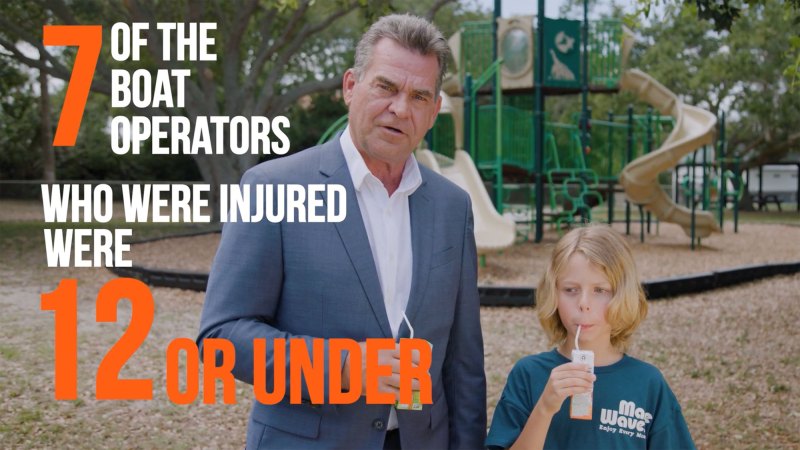
For families introducing children or teenagers to boating, the statistics also highlight the importance of supervision and training. Seven injured operators in reported incidents were 12 years old or younger.
Common Injuries Highlight Real-World Risks
Beyond fatalities, the report revealed the physical toll boating accidents can take. Reported injuries included:
- 382 broken bones
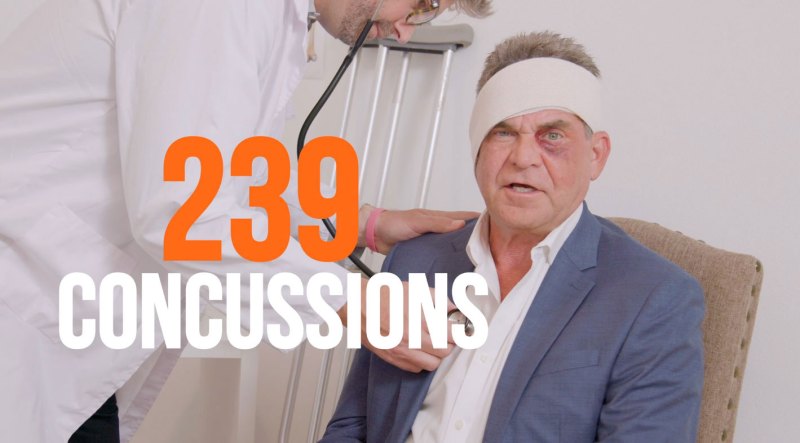
- 239 concussions
- 129 cases of hypothermia
- 71 burns
Many incidents stemmed from falls onboard, collisions, explosions during fueling or passengers riding in unsafe areas of the boat.
The Coast Guard reported more than 30 fatalities and injuries involving people sitting or riding on the gunwale, bow or transom—areas not intended for passengers while underway.
Nighttime and Dockside Accidents Are More Common Than Many Think
Roughly 20 percent of incidents occurred between 6:30 p.m. and midnight, when reduced visibility and fatigue often become factors.
Surprisingly, 17 percent of incidents happened while vessels were tied to the dock or moored. Slips, falls, fueling accidents and improper docking procedures continue to cause injuries even when boats are not underway.
Four Simple Steps Can Prevent Many Accidents
The Coast Guard’s recommendations are consistent with what many experienced captains already practice:
- Get educated through a certified boating safety course
- Wear a properly fitted life jacket
- Maintain a proper lookout at all times
- Never drink and operate a boat
Boating should be fun, relaxing and memorable for the right reasons. The latest statistics serve as an important reminder that safe habits are what keep great days on the water from turning into emergencies.
Recreational Boating Safety FAQ
What is the leading cause of recreational boating accidents?
According to the latest U.S. Coast Guard statistics, operator inattention remains the leading contributing factor in boating incidents. Distracted operators, poor situational awareness, unsafe speeds, and failure to maintain a proper lookout continue to cause collisions, groundings, and injuries. The data reinforces the importance of staying alert at the helm, especially during crowded weekends and changing weather conditions.
How significant is alcohol’s role in boating fatalities?
Alcohol remains the leading known contributing factor in fatal recreational boating accidents. The Coast Guard notes that sun exposure, heat, dehydration, and vessel motion can intensify alcohol’s effects on judgment and reaction time. Even experienced boaters become more vulnerable after drinking. The safest approach is to designate a sober operator before leaving the dock.
How effective are life jackets at preventing fatalities?
Life jackets are the most effective safety tool on the water. The Coast Guard reported that 87 percent of people who died in boating accidents were not wearing a life jacket. The statistics reinforce a simple rule: Don’t just have a life jacket onboard. Wear it.
Does boating education reduce accidents?
Yes. Coast Guard data showed that nearly three-quarters of operators involved in fatal boating accidents had not completed a boating safety course. Certified boating education programs teach navigation rules, emergency procedures, weather awareness, trailering, and safe vessel operation — knowledge that directly reduces risk on the water. Education is especially important for new boaters and families introducing children to boating.
Do boating accidents happen at the dock?
Yes. While many incidents occur while vessels are underway, the Coast Guard reported that 17 percent of accidents happened while boats were docked or moored. Fueling accidents, slips and falls, improper docking procedures, and nighttime visibility issues all contribute to injuries and property damage. Safe boating practices matter both on the water and at the dock.