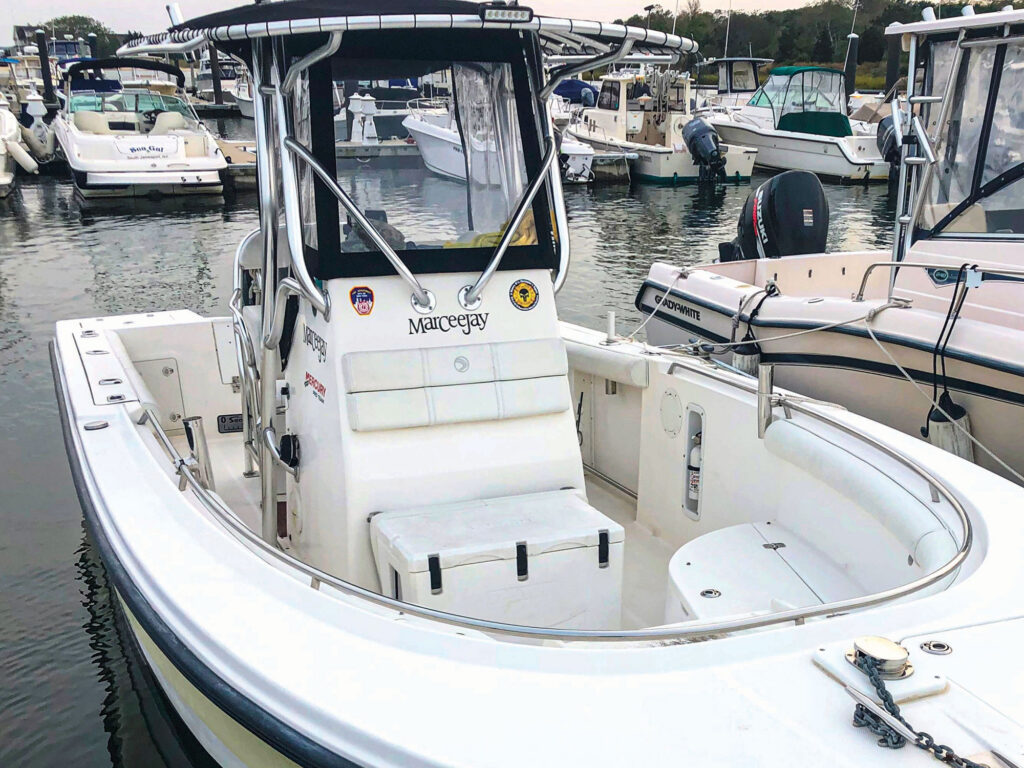
Spring has sprung and it’s time to make your boat ready for the season. Preventive maintenance is the biggest key to boating enjoyment. After all, if things break or systems fail, you might be stuck ashore—or worse, stuck out on the water.
Barring the rare superboater who’s a certified mechanic, fiberglass technician and ABYC-rated electrician rolled into one, most of us can’t find or fix everything. But even lacking a shed full of tools and diagnostic equipment, we can use our primary senses of sight, hearing and touch to stave off boating repairs and breakdowns.
It’s hard to guarantee much with regard to boating, but if you use these tips, and the principles behind them, I promise you’ll get off to a smoother start this boating season.

Sight
Not everything that looks bad is bad. For instance, some rust and corrosion is just plain normal. Develop your diagnostic vision by making these checks.
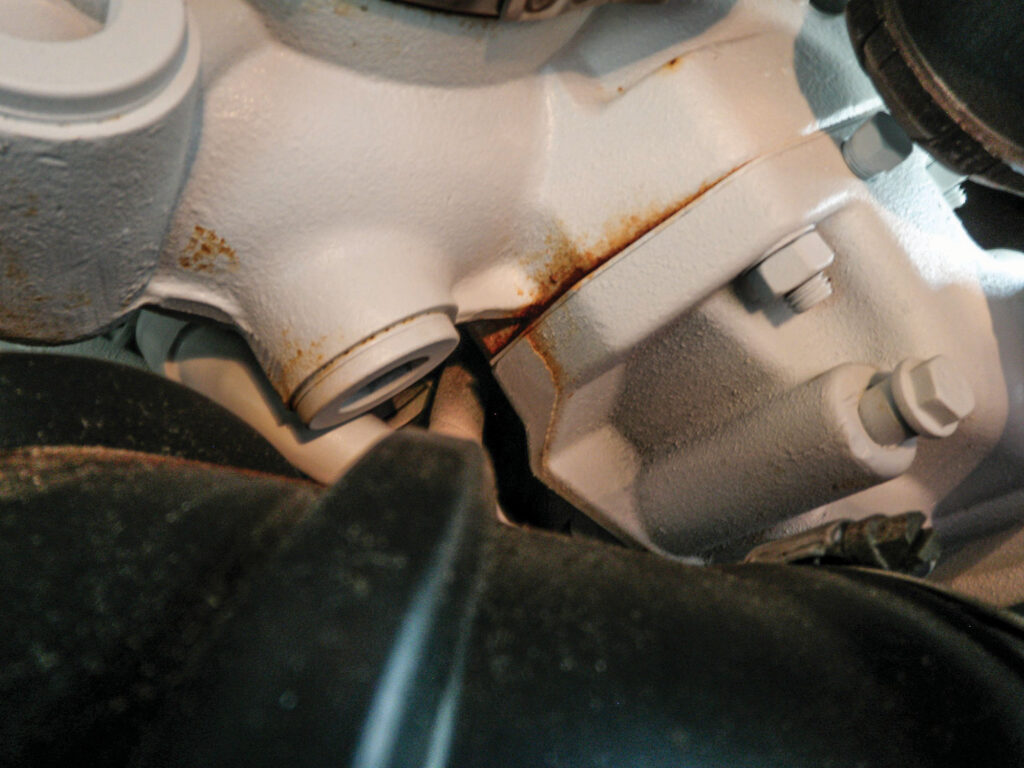
Seal the Deal
All gasketed surfaces are suspect. Eyeball your engine’s mating surfaces for signs of drips, salt stains, weepage and ridges of crud. Exhaust risers and head gaskets are especially important.
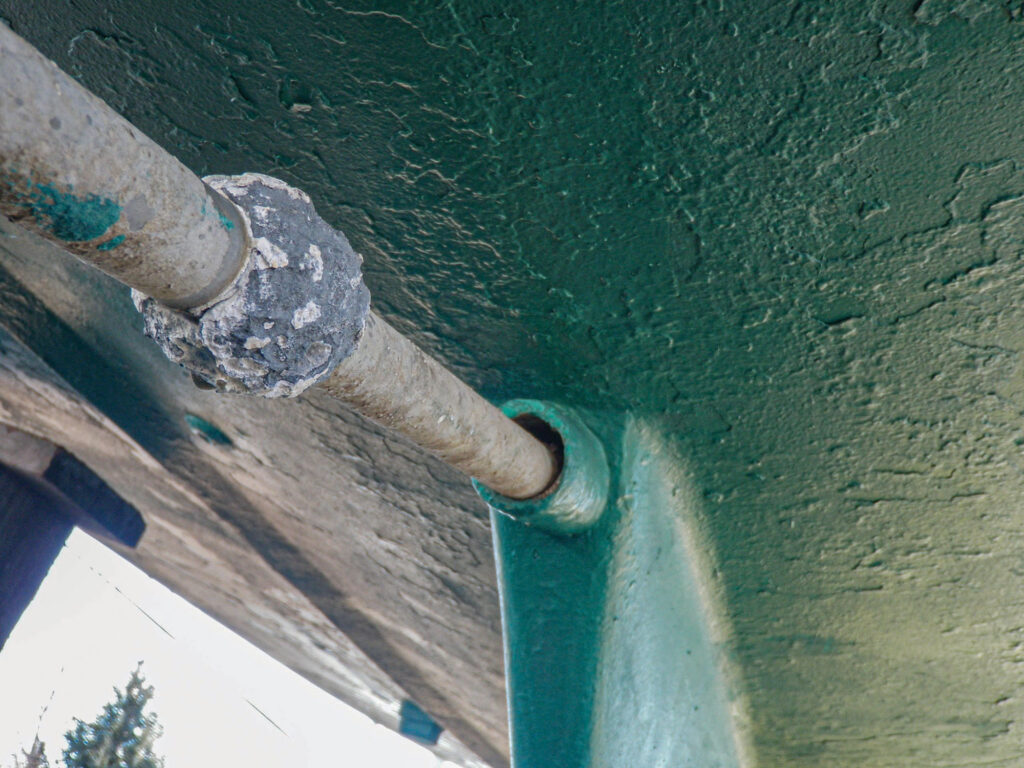
Shafted
Shafts should be centered in their bearings. Check the stuffing box inside and outside as well as at the struts. Remember that a minor misalignment at the bearings is multiplied by the length of the shaft.
Eclipse
To ensure the engine room is sealing out water and spray, climb inside on a sunny day and close the hatch. You should see no light sneaking in around the perimeter. If you do, repair or replace the gaskets and latch.
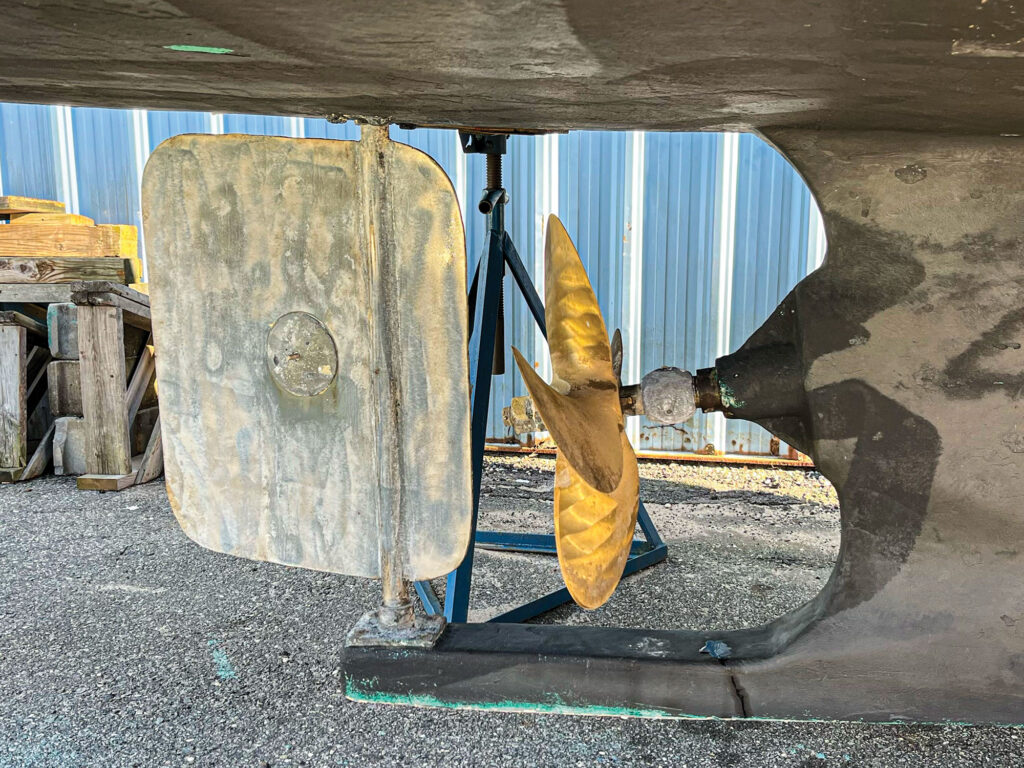
Zinc Again
Your sacrificial anodes must be replaced if they have lost half their weight—not just size. So, a full-size anode that looks like Swiss cheese has got to go. Anodes may be aluminum, mil-spec zinc or a combination of magnesium, aluminum and zinc. Ask a pro if you’re unsure what’s best in your application.
Fish and Chips
Check for loose, flaking antifouling paint and scrape it off before applying a new coat.
Ding-Dong
Look for dings or chips in the gelcoat—especially along leading edges such as the stem, keel and chines. Repair using epoxy filler.
Stain Pain
Even the best stainless-steel fasteners corrode in a wet, oxygen-starved environment. It’s called crevice corrosion. If you see streaks of rust emanating from fasteners—transom ladders, D-rings and bow eyes are notorious for this—remove, replace and rebed with fresh sealant.
Ding-a-Ling
Your prop turns between 1,000 and 3,000 rpm. Even a small ding can wreak damage on gears and hurt performance. You might (carefully) apply two opposing pairs of pliers to straighten a bent blade or file off burrs along the edges—or send the wheel out for reconditioning.
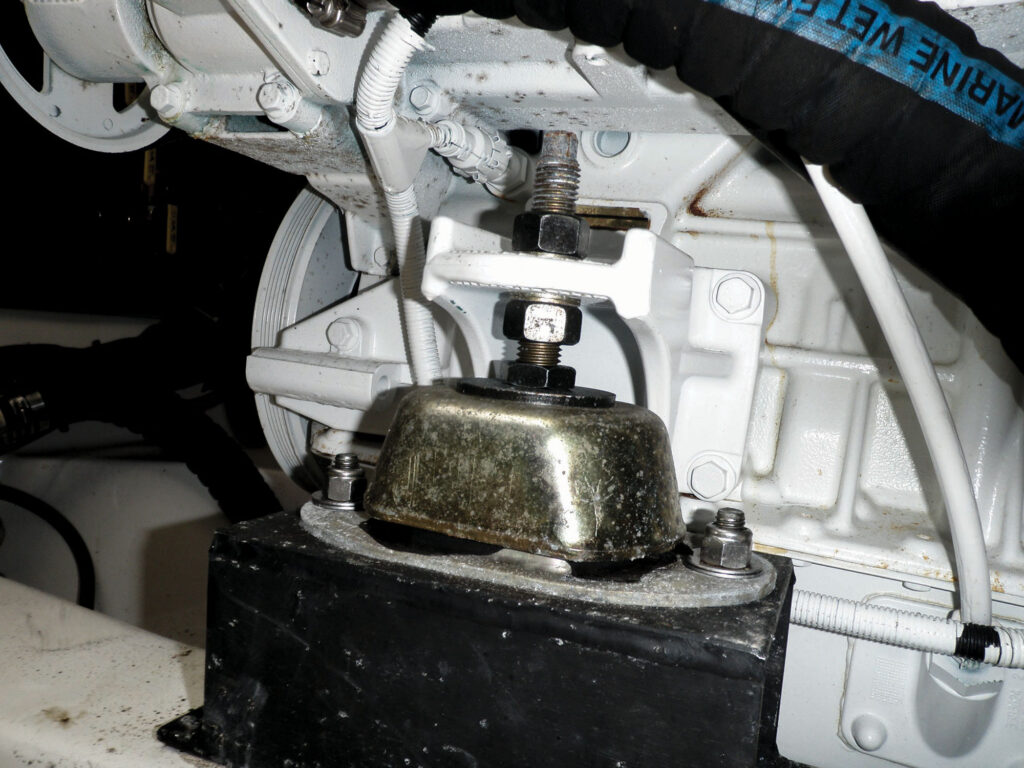
Mounting Problems
Make sure there is enough thread above and below the nuts on engine-mount studs to allow for future adjustment.
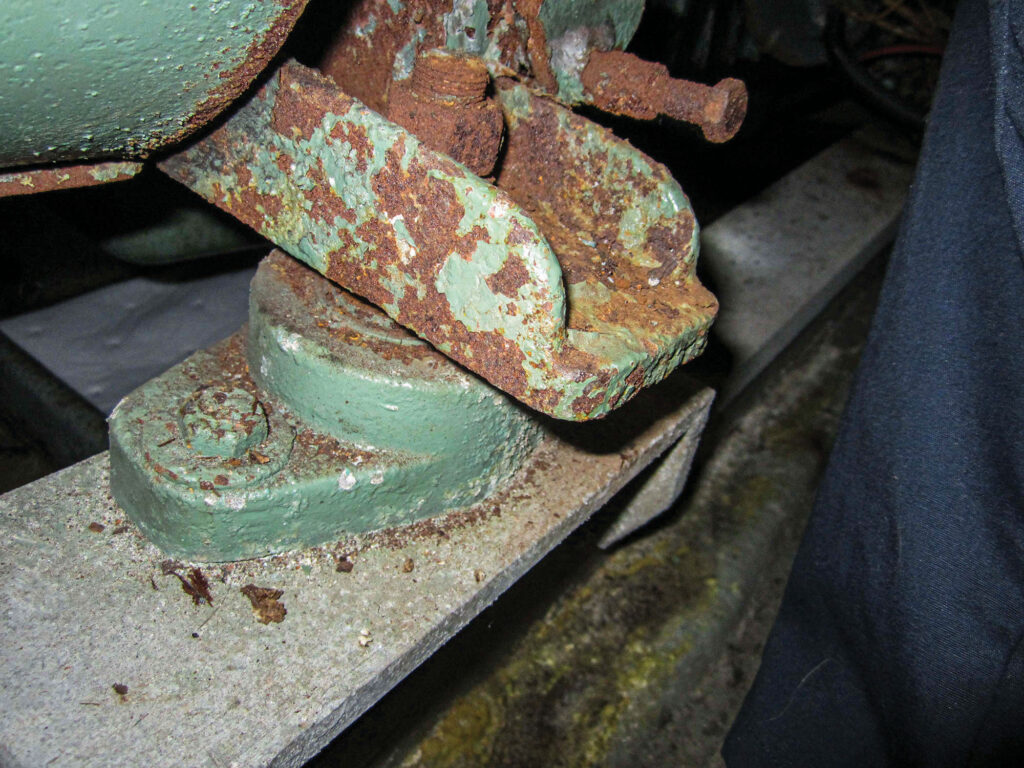
More Mounting Problems
Motor-mount studs should be centered between the mount base’s fasteners. Mounts should not be cocked or leaning to one side. These checks are best performed in the water, because when blocked or on a trailer, the boat may sag or bend a bit. Aging mounts lead to misalignment that can sink your boat at worst, besides causing gear case and transmission problems.
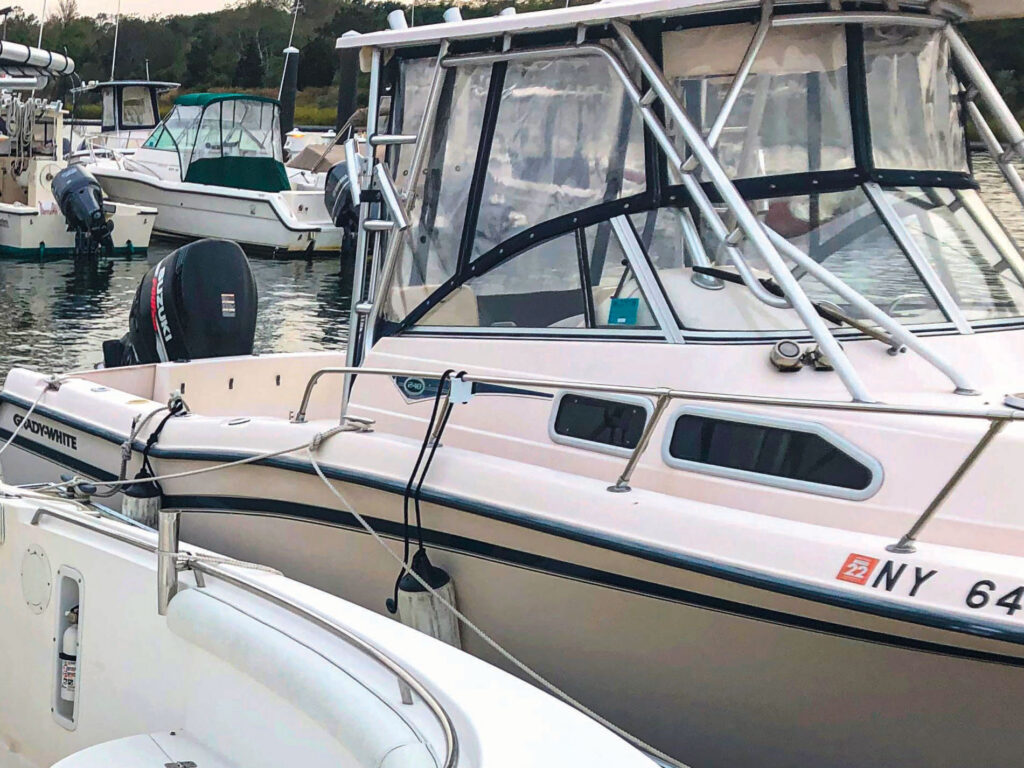
Obscured
Fogged, crazed and scratched plastic windshields and clear curtains hinder visibility, and thus safety. A fine compound can often restore clarity. Canvas shops can replace clear sections, retaining an existing top.
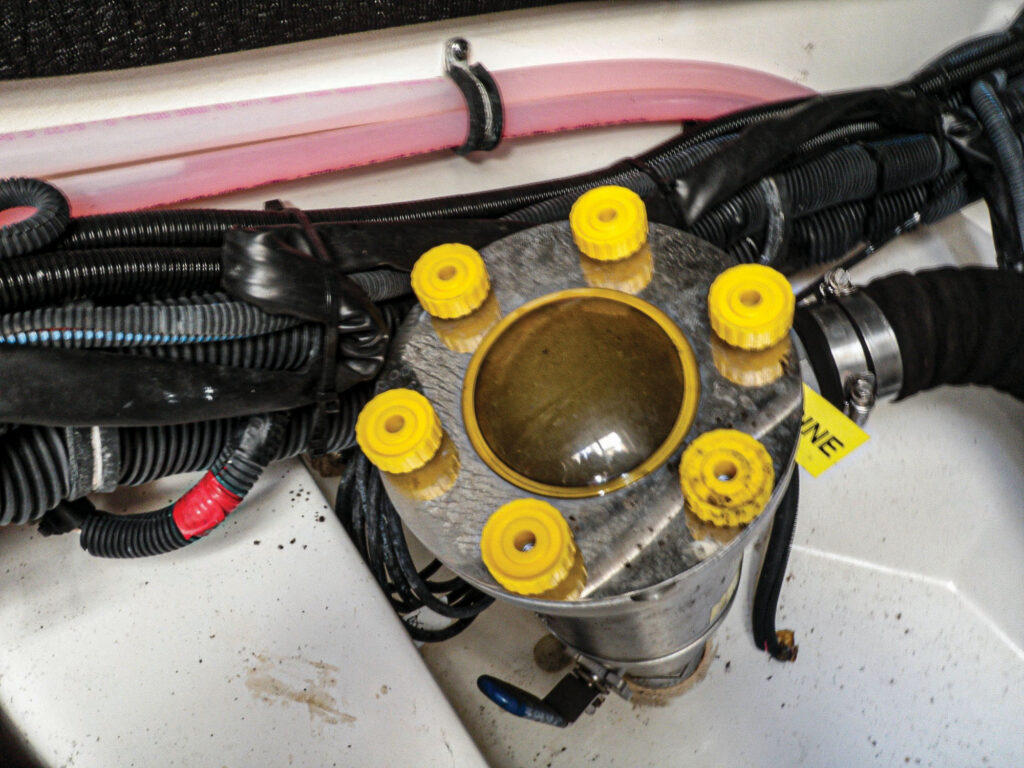
What Have We Here?
Inspection bowls for filters and sea strainers can turn cloudy, making them useless. You need to see at a glance what’s going on. Clean them with soap and water. If clarity doesn’t return, order replacements.

Hearing
Train yourself to listen analytically. Make a game of picking out the individual noises that make up the clatter of your engine and systems. If you know what they sound like when all is well, you’ll hear a problem before it turns big.
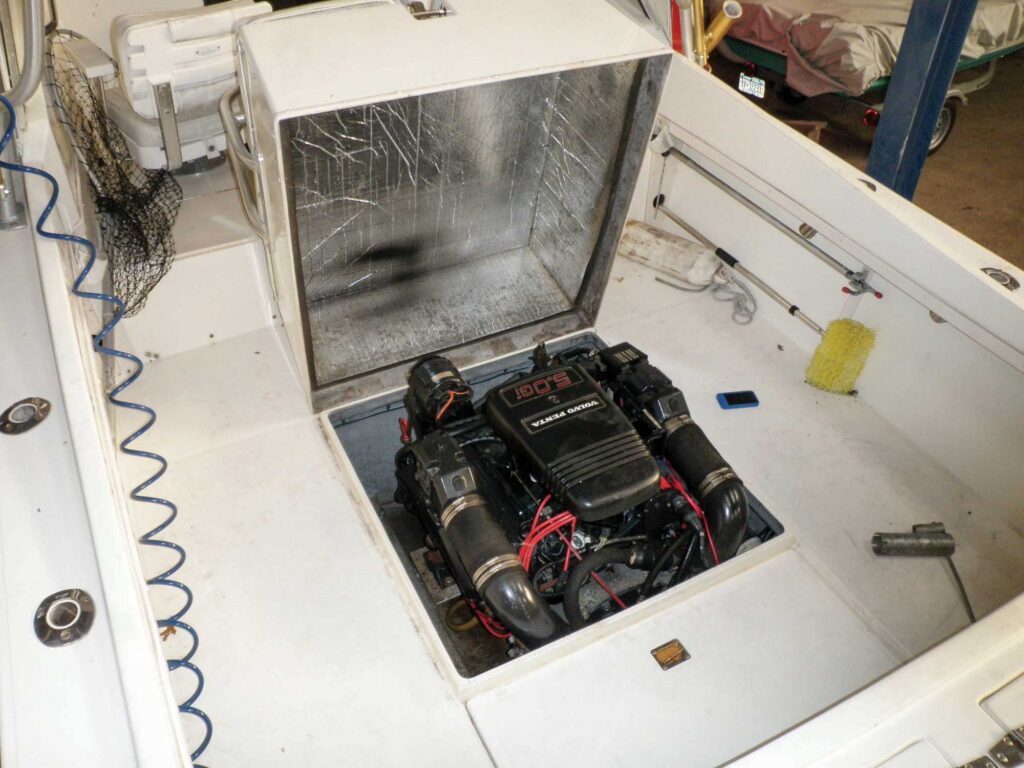
Sing to Me
A high-pitch chirp often indicates a bearing is on the way out. Listen to all rotational accessories such as alternators, belt pulleys and shaft-driven pumps. Rebuilding or replacing is easier than getting towed in after a breakdown.
What a Grind
Listen carefully during your first outing for a grinding or whining noise from your sterndrive while trimming up and while turning. This indicates a gimbal bearing needs replacement.
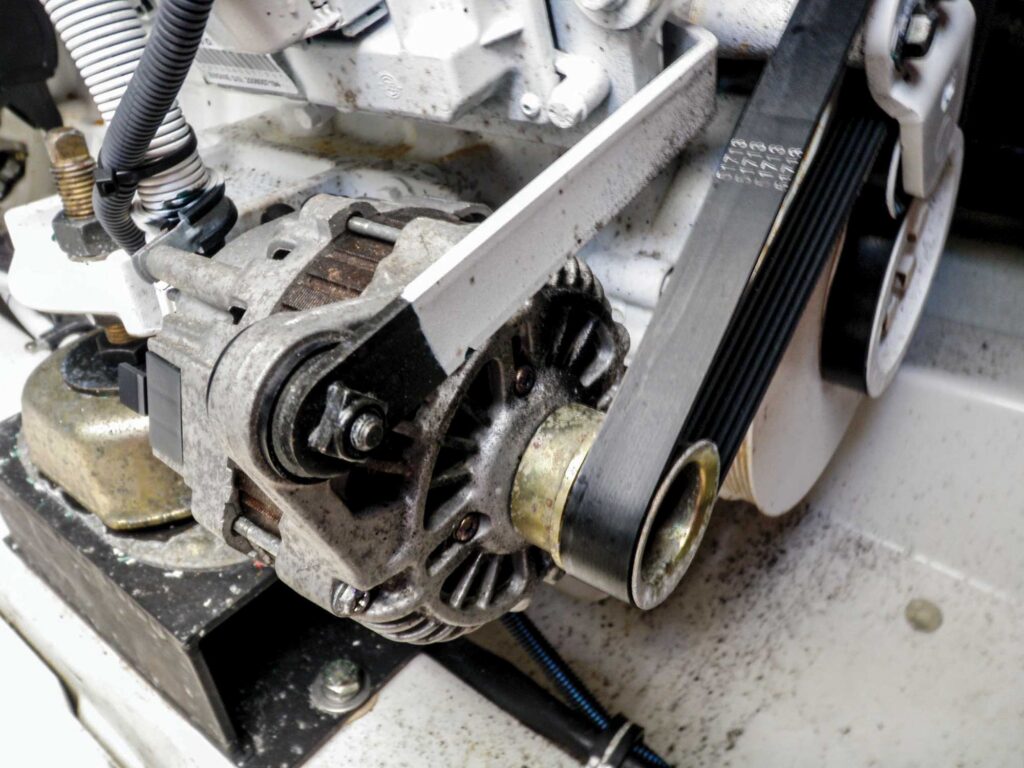
Perusal by Removal
Got an engine noise that’s driving you crazy? Narrow down the culprit by removing the belts one by one from accessories such as alternators. When the noise stops, you’ve found the offending part.
Read Next: The Importance of a Spring Launch Checklist
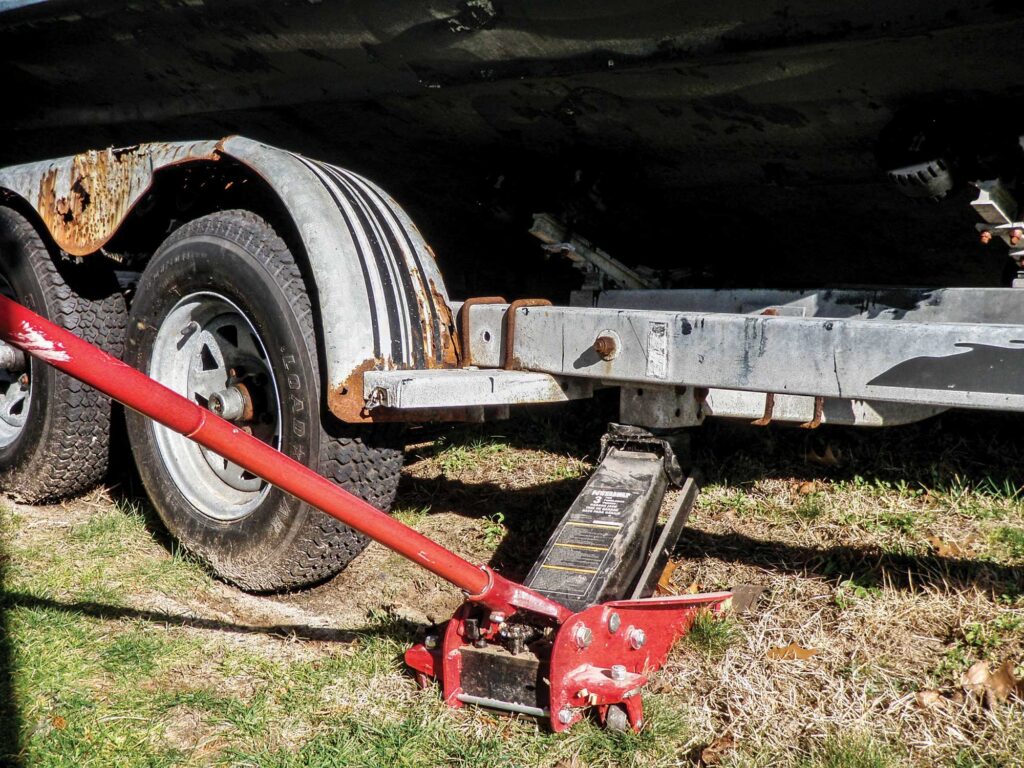
Nitty-Gritty
Jack up your trailer and spin the wheels. Listen for a grinding noise. Rotation should be almost silent. If not, it’s time to pull the wheel and repack and replace the bearings.
Clickety-Clacks
If all you hear is the solenoid clicking noise when you turn the key or push the trim button, but nothing else happens, check for charged batteries with clean terminals. Then check the grounds for the device that won’t energize.
Cough, Please
A stethoscope, or even a length of hose stuck to your ear and moved methodically around the engine, can help you isolate the source of a noise indicating a potential problem.
Huh?
Sound signaling is important, especially when visibility is restricted by structures, nighttime, or thick weather. Toot your horn to make sure it works. Often, a weak horn can be revitalized by applying spray lube to its diaphragm. Carry a portable air horn for insurance.

Touch
What “honey” doesn’t appreciate a sweet caress? Reaffirm affection for your boat with these touchy-feely tips. Due to limited access, touch often replaces sight as the sense to use first.
There’s the Rub
Can’t tell if a machined surface such as a bearing race is fair and smooth? Rub a cotton wad across it and watch for pulls.
Svelte Belt
If a belt deflects too much under hand pressure between pulleys, either it needs replacement or the equipment needs to be repositioned and retightened, or both.
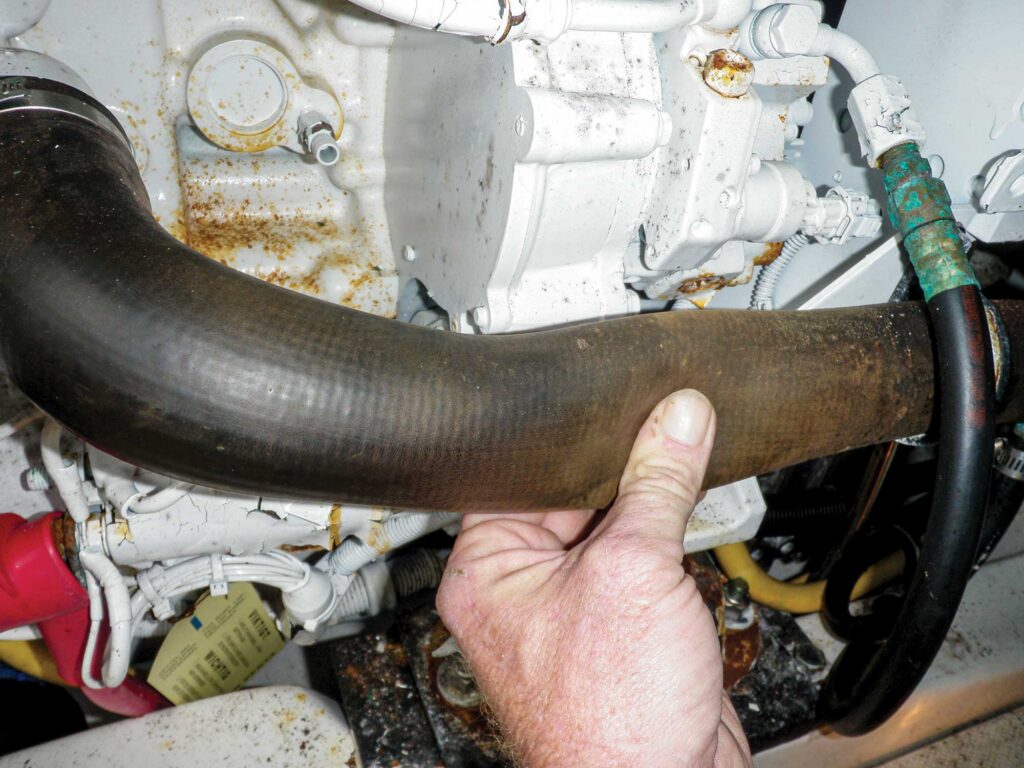
Hosed
Squeeze hoses. Those that are soft and mushy (as well as cracked, checked, discolored and shedding) can collapse under suction, starving the engine of cooling water, failing and flooding the boat, causing fuel leaks and more.
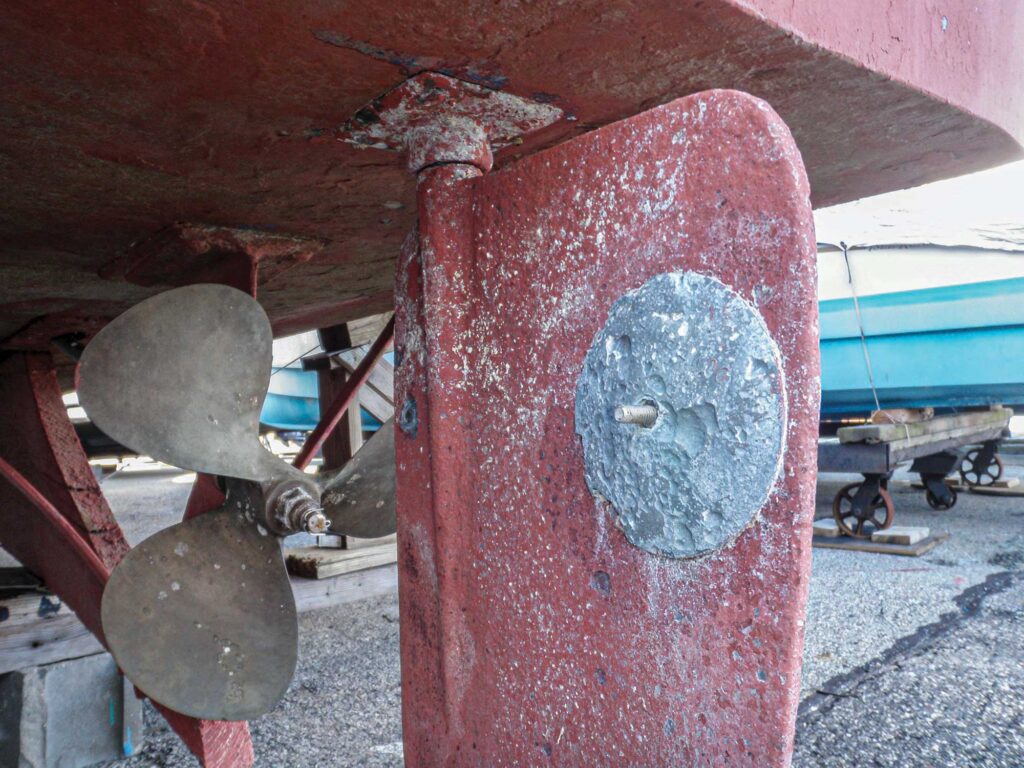
Heave!
Lift up on the end of your prop shaft as hard as you can. You should get no movement. If it does move, the bearings need service.
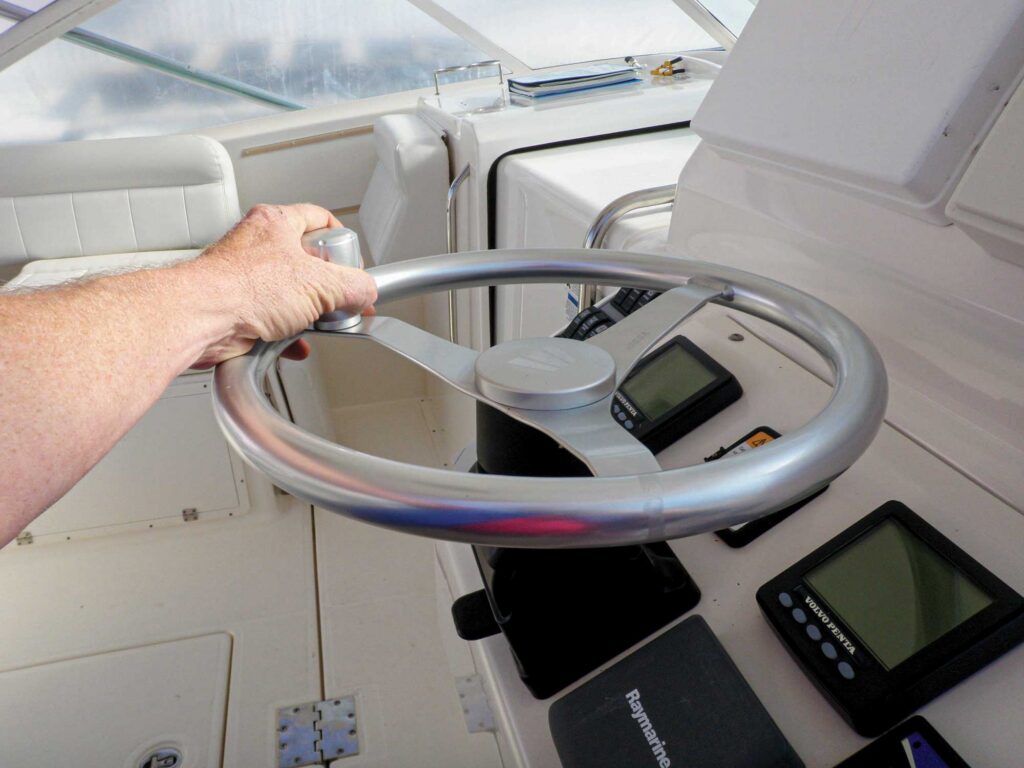
Pop a Wheelie
Turn the wheel lock to lock. You should feel no binding, little slop and no “free” spots. You may need to add fluid, check and lube linkages, or replace the cable or steering head. Learn and remember the number of turns your wheel makes when properly operating.
Screwed
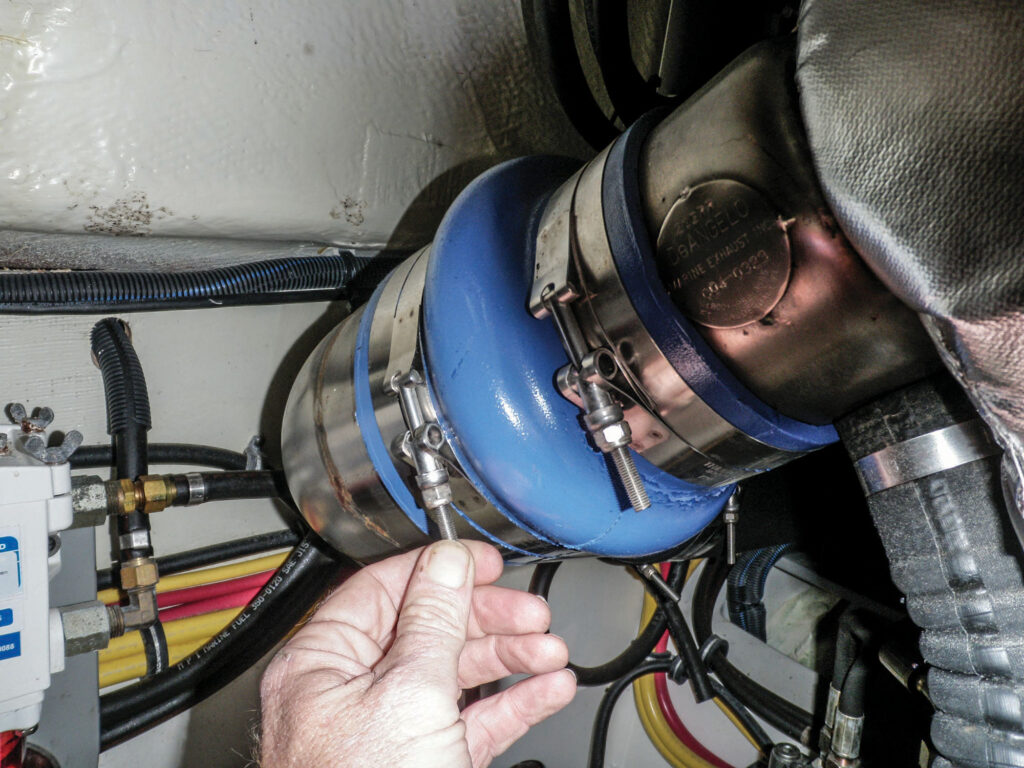
Go around the boat from stem to stern with a screwdriver and wrenches, checking every screw and bolt. Tighten loose fasteners and consider replacing worn screws with bolts, or refilling screw holes with epoxy filler and redrilling. (The “matchstick trick” is for hacks.) Don’t forget clamps on fuel lines, water intakes and wet exhaust lines.
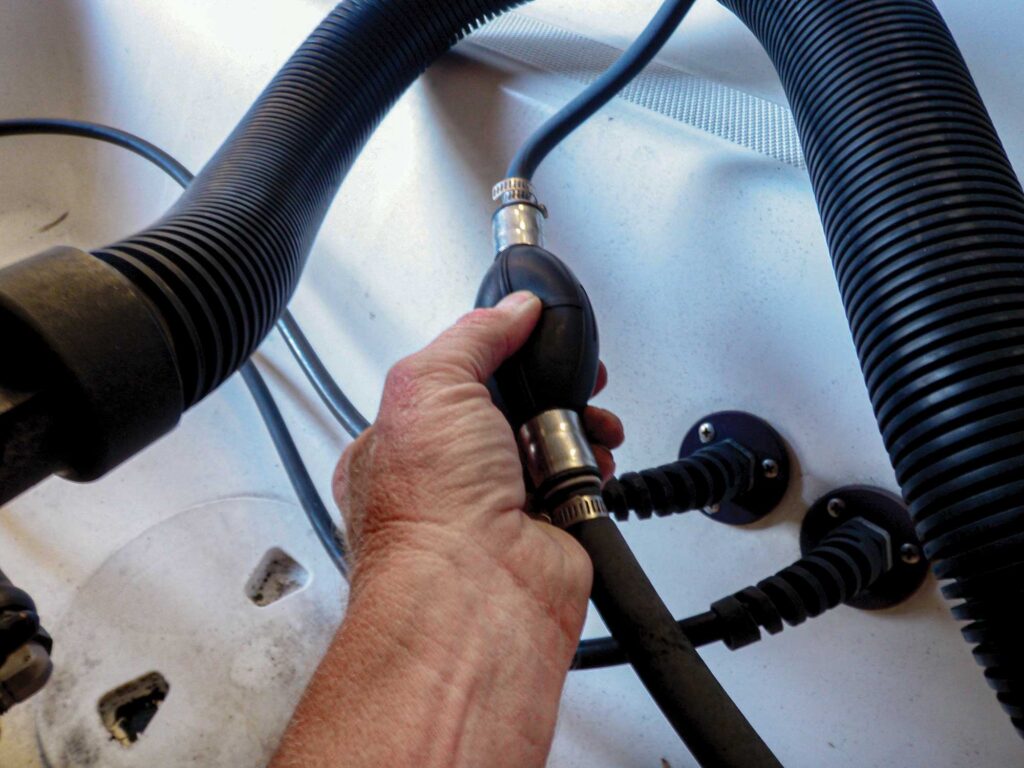
Spring Bulbs
A primer bulb should remain firm when the engine is running and drawing fuel. If not, and after checking for leaks in the fuel line, replace it—and buy extras for spares.
Shake It
Got hydraulic steering? With neutral trim and the engine or drive centered, shake your sterndrive or outboard port and starboard. Movement of more than 1/8 inch indicates air in the lines. Bleed the system.