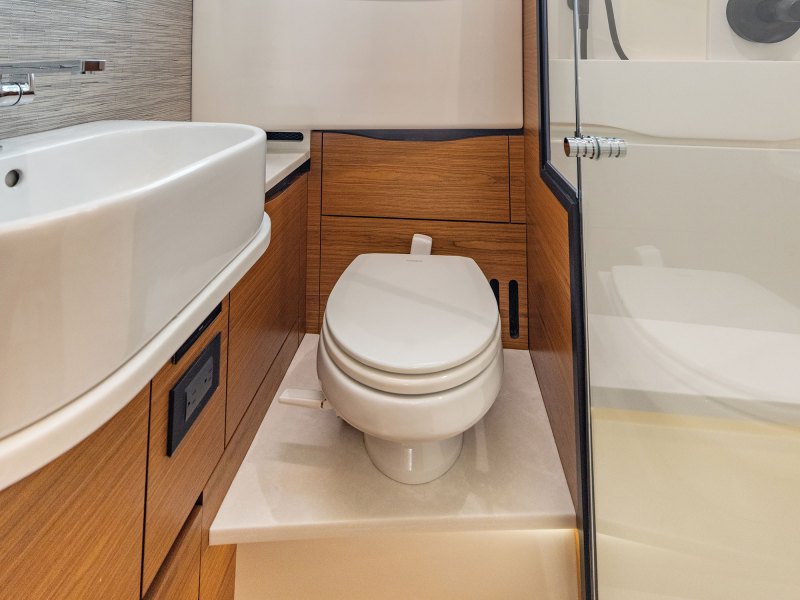
A frozen marine head can turn a simple spring commissioning into an expensive plumbing repair. Water trapped in the toilet, hoses, holding tank or discharge system can freeze, expand and crack components. Winterizing the head takes a little preparation, but the job is straightforward. Use these pointers as a roadmap for winterizing your boat’s head.
1. Tank
Start with a completely pumped-out holding tank. Leaving sewage aboard all winter makes spring commissioning considerably messier. After pumping out, add fresh water to the tank and pump it out again. This helps rinse residual waste from the tank and plumbing. Naturally, you’ll plan to visit a pump-out station before your haul out or winterizing the boat.
2. Protect the Toilet
Shut off the head’s water supply and electrical power if it’s an electric toilet. Remove as much water as possible from the bowl and pump assembly. Never assume that simply adding antifreeze to the bowl protects the entire toilet. Water can remain inside valves, pumps and discharge passages. Look for low spots and know that some disassembly may be required for complete drainage, depending on the plumbing.
3. Use Marine/RV Antifreeze
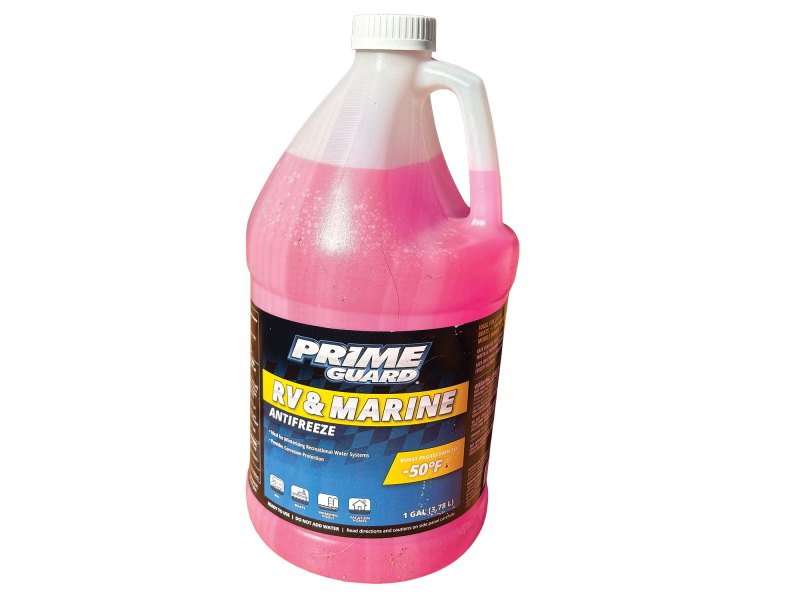
Use non-toxic propylene-glycol marine/RV antifreeze. Never use automotive antifreeze. Introduce antifreeze into the intake side, either by using a “fake lake” at the through hull or by disconnecting the intake hose from the pump or hull fitting and placing it in a bucket or bottle of antifreeze. Operate the pump to draw it through the system. Continue until antifreeze reaches the discharge side of the toilet (the tank and/or overboard discharge) and associated plumbing. You’ll need to operate the Y-valve, if so fitted.
Read Next: Winterizing a Boat’s Potable Water System
4. Check the Seacocks
Inspect the head’s intake and discharge seacocks. Close them and verify that the handles operate properly. Lubricate the valves and check their bonding wires. On boats stored ashore, follow the manufacturer’s recommendations for draining the seacock and connected plumbing.
5. The Bottom Line
Pump it out. Drain it. Protect every component. The key to successful head winterization isn’t simply putting antifreeze in the toilet bowl. The goal is to eliminate or protect every pocket of water in the system that could freeze. A few minutes spent tracing the plumbing and following the manufacturer’s winterization procedure can save a cracked pump, split hose or damaged valve when the mercury drops.