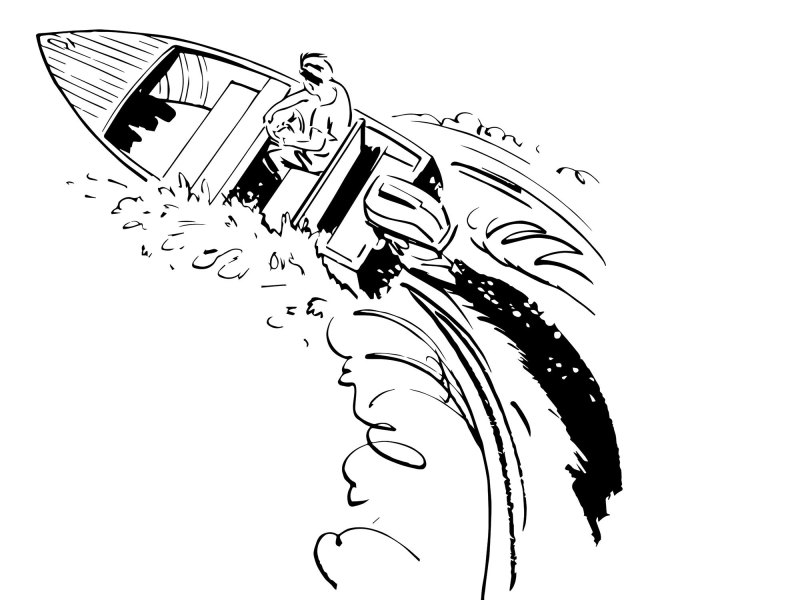
Four Timeless Seamanship Lessons
Improve your skills with four timeless seamanship lessons from the last 70 years of Boating that still apply today.

Improve your skills with four timeless seamanship lessons from the last 70 years of Boating that still apply today.

America’s 250th birthday means expanded celebrations and more boaters on the waterways.
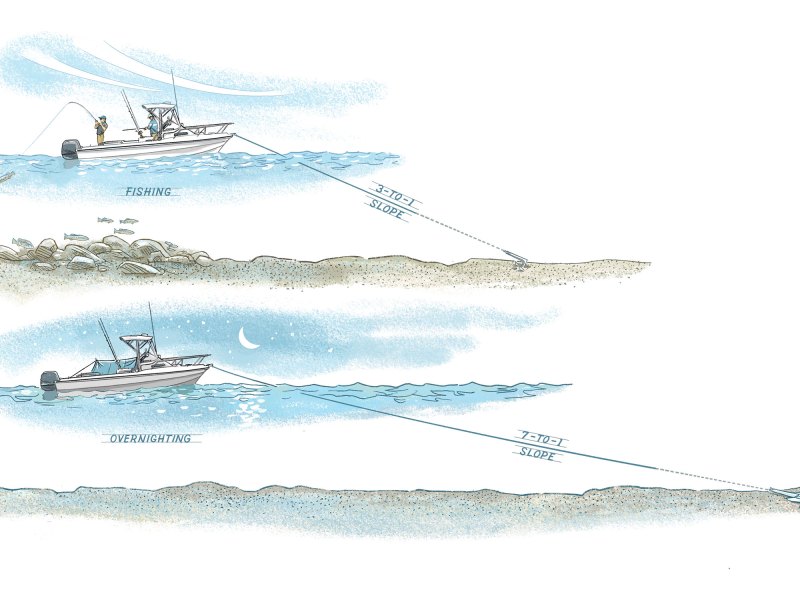
There’s a difference between anchoring to fish and anchoring for overnighting. Learn the methods and equipment used for each.
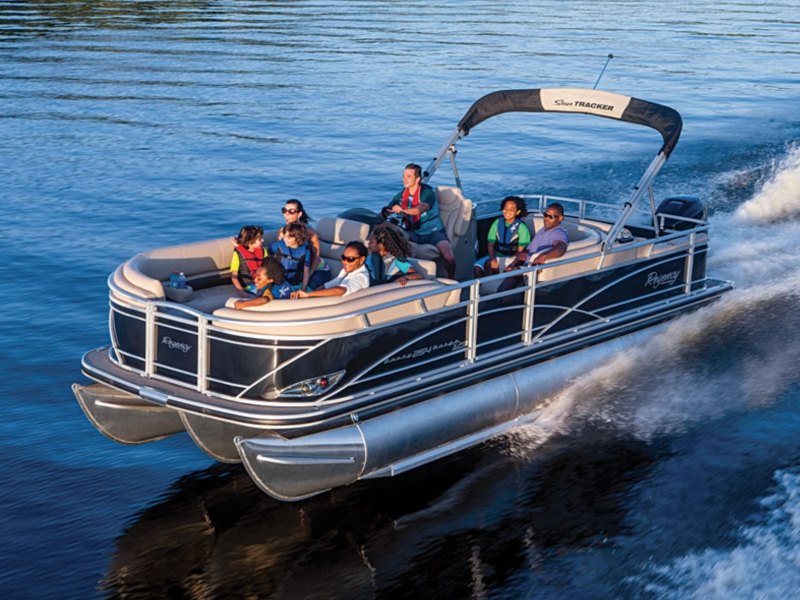
Techniques for getting the best ride from your pontoon or tri-toon.
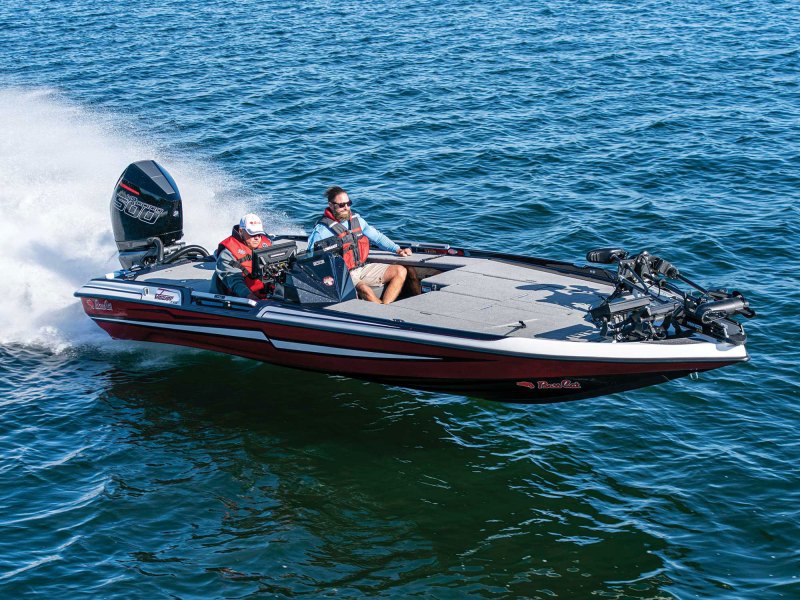
How fast can you go in your boat?
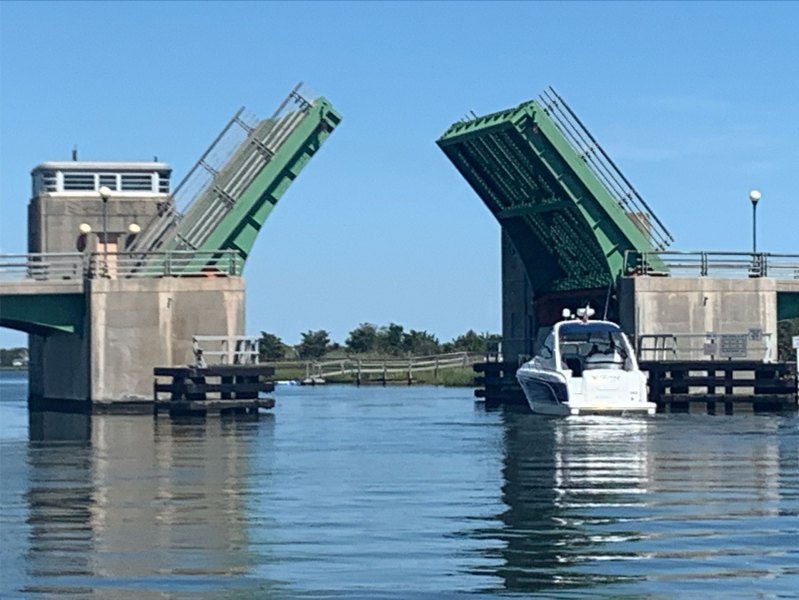
The details about transiting bridges.
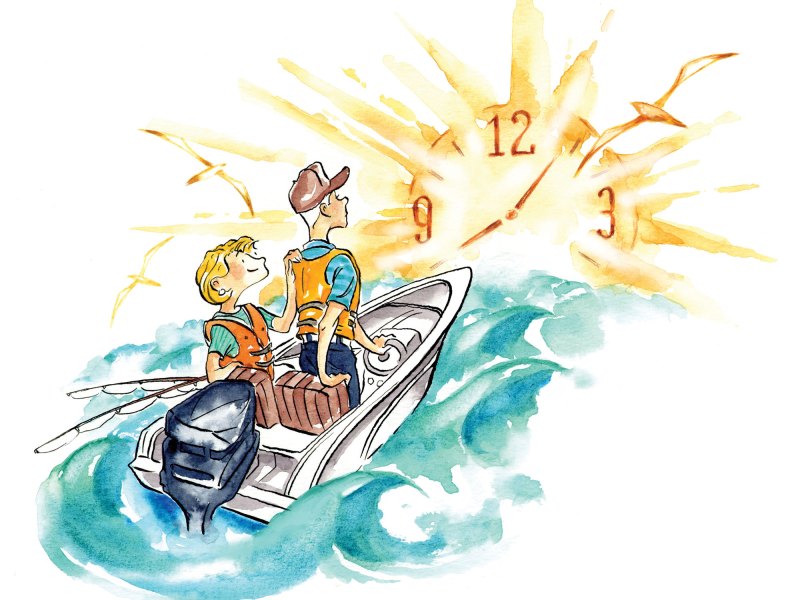
While heading home, an engine problem presents a choice. Delaying the return through an inlet proves to be the best strategy.
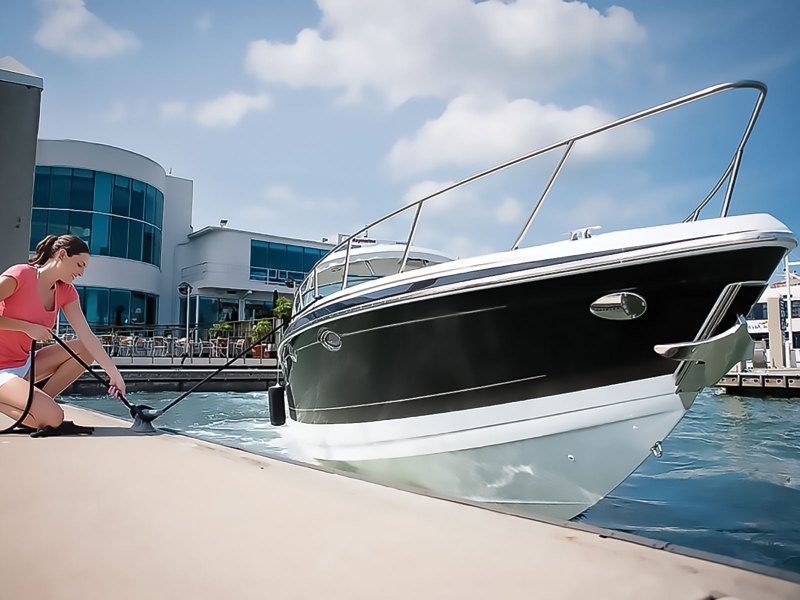
Anxious about docking your boat? Here are three tried and true ways to dock a boat in some of the more difficult situations.
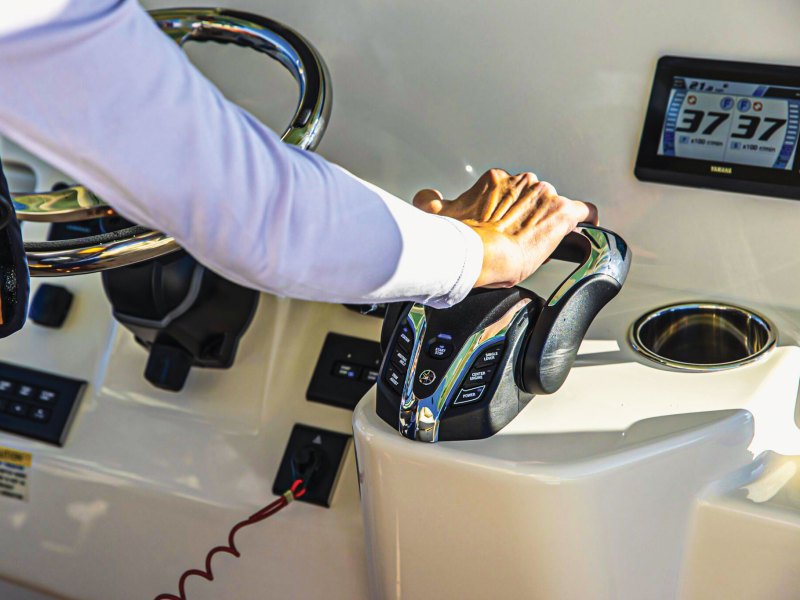
Three safety tips for preventing scenarios in which the binnacle control lever can be unexpectedly advanced.

Technology has made captaining a boat easier and safer than it’s ever been, but these skills are still important to learn.
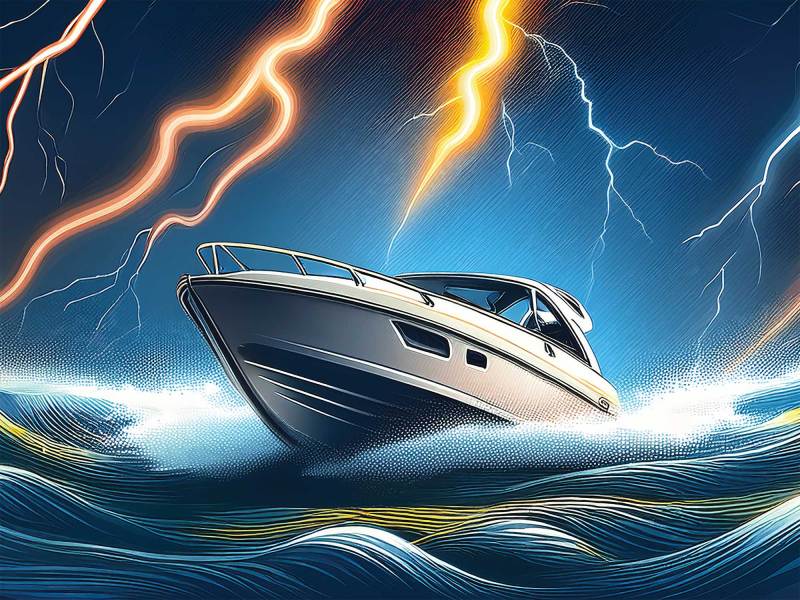
Boating isn’t always blue skies, sunshine, and calm seas. Learn how to stay safe aboard your boat when the wind comes up.
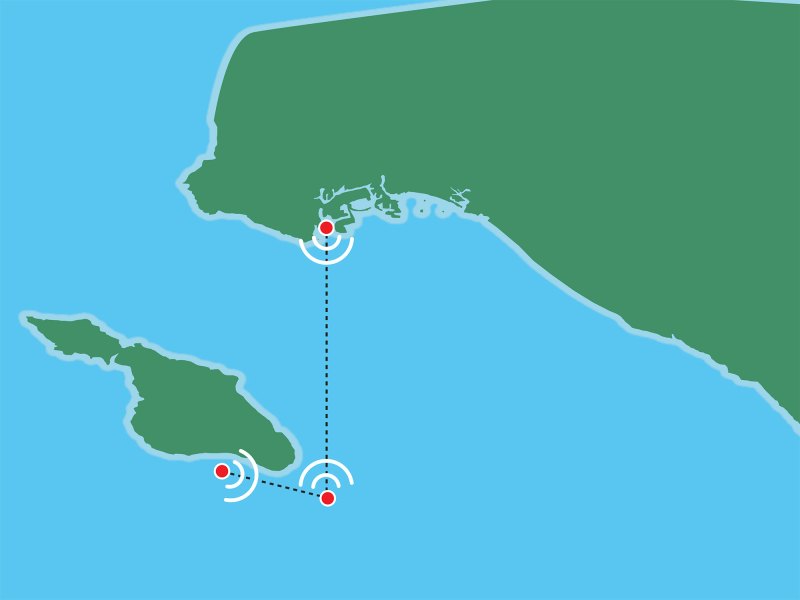
When conditions prevent a fellow boater from contacting the USCG directly, a Good Samaritan steps in to help as a VHF relay.
Improve your skills with four timeless seamanship lessons from the last 70 years of Boating that still apply today.
America’s 250th birthday means expanded celebrations and more boaters on the waterways.
There’s a difference between anchoring to fish and anchoring for overnighting. Learn the methods and equipment used for each.
Techniques for getting the best ride from your pontoon or tri-toon.
How fast can you go in your boat?
The details about transiting bridges.
While heading home, an engine problem presents a choice. Delaying the return through an inlet proves to be the best strategy.
Anxious about docking your boat? Here are three tried and true ways to dock a boat in some of the more difficult situations.
Three safety tips for preventing scenarios in which the binnacle control lever can be unexpectedly advanced.
Technology has made captaining a boat easier and safer than it’s ever been, but these skills are still important to learn.
Boating isn’t always blue skies, sunshine, and calm seas. Learn how to stay safe aboard your boat when the wind comes up.
When conditions prevent a fellow boater from contacting the USCG directly, a Good Samaritan steps in to help as a VHF relay.