Small, agile, and safer to operate in close proximity to riders in the water than a prop-driven boat, personal watercraft are ideal for towing a foilboard, whether used to teach beginners in calm waters or to sling experienced riders into ocean surf. Equipping that PWC with the right equipment is vital—not only to make the task easier, but also safer for both driver and foilboard rider. Here’s what to consider.
Three-Passenger PWC
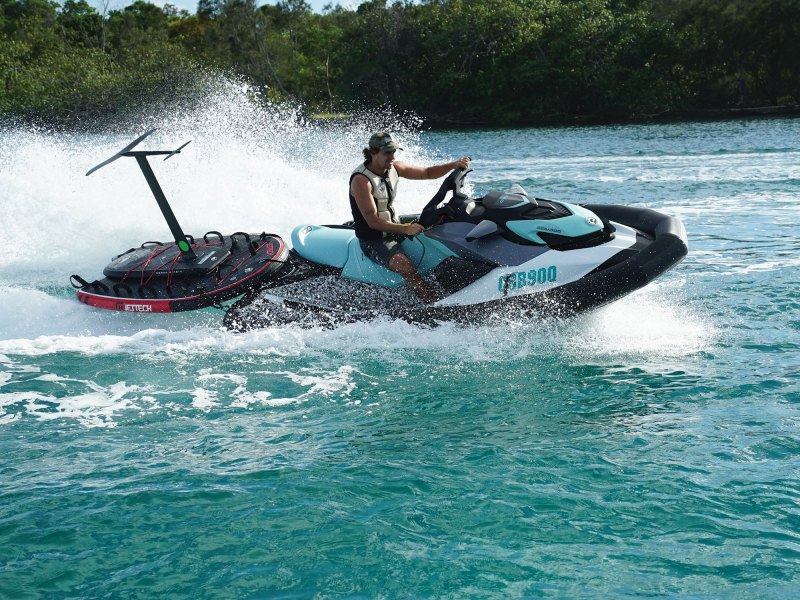
Three-passenger models are required for legal compliance, as they offer space for a driver, a spotter and a rider. Longer three-up hulls also are more stable in rough surf conditions. High horsepower isn’t required. Lower-horsepower engines will prove more fuel-efficient, and deliver a less “jerky” throttle response.
Inflatable Tow Sled
A multi-use platform for both transporting foils and on-water pickup, inflatable tow sleds, such as those from Jet Tech (jettech.com) produce a rigid platform that won’t fold or sag during heavy load or impact. Secure the board’s nose atop the PWC’s aft platform with adjustable straps that hook to existing transom eyelets and the ski tow. Foils are easily transported board-side-down atop EVA-covered decks by slipping the board below criss-crossing bungees. Look for multiple open grab handles lining the perimeter to ease rider pickup, as well as “last-chance” tethers trailing from the sled’s stern.
Tow Sport Rope
Large-diameter, high-visibility towropes feature a foam core and provide stretch when pulling riders out of the water. Contrasting color on the rope’s final section near the handle serve as a visual indicator to a floating rider that the handle is approaching. External tubing at the bitter-end keeps rope from getting accidentally sucked into the jet pump. Look for take-off loops to shorten or lengthen rope to preference. Handle widths typically split the difference between wake and surf ropes, but should allow riders to fit two hands side-by-side.
Seat Strap
Seat straps secure a PWC’s removable saddles to ensure they don’t pop off in a rollover situation and allow incoming water to flood the engine and disable the craft. Straps incorporate grab handles, helping to secure a rider in the saddle or foiler atop the swim platform.
Clip-On Lanyards
Avoid wrist lanyards. Clip-on styles secure to a PFD’s D-ring and keep both hands free, preventing a driver from accidentally stalling the engine while reaching or moving about. Savvy foilers secure an additional start/shutoff clip or fob to the handlebars via a short length of fishing line so that it’s within easy reach in the event the driver is thrown from the ski, allowing someone to board and start the engine before the craft is washed onto the beach, rocks, or other hazard.
Intake Recovery Tool
Seagrass, sargassum, kelp, even towropes can clog a PWC’s jet pump and render it inoperable. Multipurpose intake cleaning tools include fanged ends for hooking debris, probes for pushing it out through the pump, and foldout, stainless-steel blades should you have to cut a rope away from the driveshaft. Look for two-piece or collapsible designs for easy storage.
Read Next: 5 Keys to Wakefoiling Behind a Boat
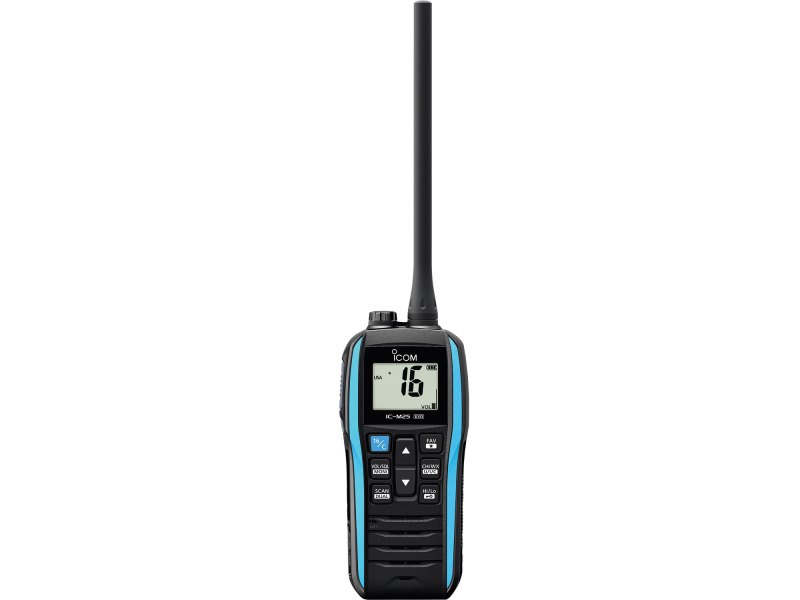
Safety Gear
Keep a handheld VHF radio on hand, as well as spares of vital parts such as an engine cutoff lanyard and tow-sled bungees. Longtime foilers suggest that first-aid kits include standard-issue items as well as wound washes, and even a tourniquet for potential deep lacerations. Naturally, all involved should be wearing life jackets and all required signaling, and other gear, should be carried.