Life jackets are the single most important piece of safety gear on any boat for one simple reason — they save lives. The catch? They only work if you wear them, which is why the old saying still holds true. The best life jacket is the one you’ll actually wear, every time you leave the dock.
Not every life jacket, however, is created equal. Some are built for mobility and comfort during active watersports, others for long days casting a line, some for the harsher realities of offshore conditions. And then there’s the familiar, no-nonsense orange classic we probably all wore as kids — known affectionally as the Mae West — that’s been a staple of marine safety for decades. Each has its place, but choosing the right one depends on how you use and enjoy the water.
In 2014, the Coast Guard adopted the performance-based Level standard, classifying life jackets based on the amount of flotation they provide. A Level 70 life jacket provides about 16 pounds of flotation – roughly equivalent to the old Type III, which provided 15.5 pounds of buoyancy. You’ll still see plenty of Type-rated life jackets around and they’re fine to use if they’re in good condition.
Bottom line: If the life jacket is approved by the U.S. Coast Guard for your intended use, it’s good to go. If not, keep shopping.
Now here’s a breakdown of the best life jacket, based on the way you actually boat.
Recreational Use
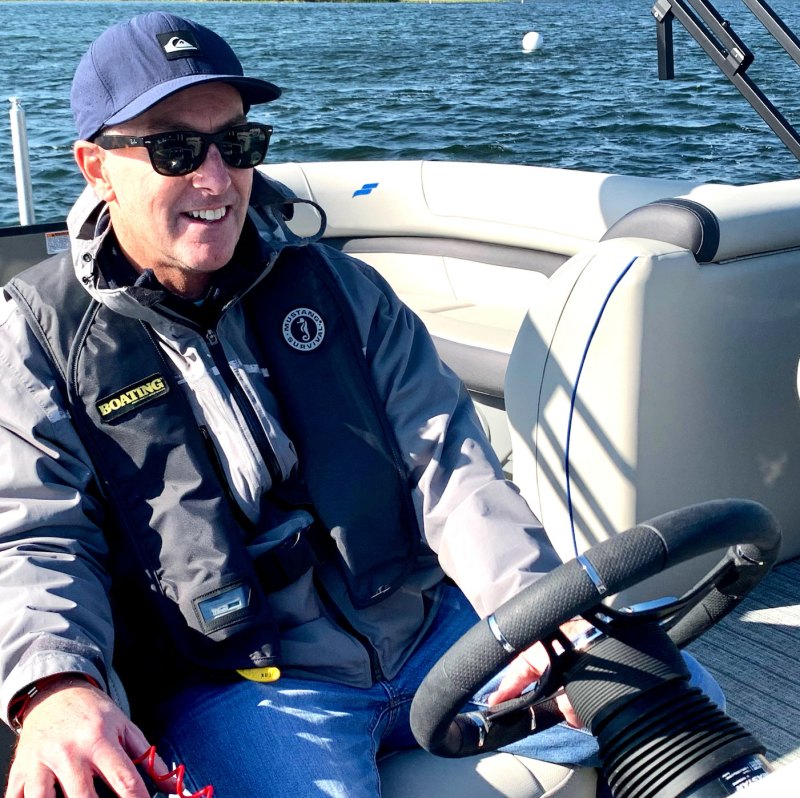
It’s worth repeating: the best life jacket is the one you’ll wear. For everyday boating, many adults gravitate toward the simplest, least-restrictive option — inflatable, suspender-style PFDs. Lightweight and low-profile, they avoid the bulk and heat of traditional foam vests, relying on an internal air bladder that lies flat until needed.
When activated, a CO2 cartridge rapidly inflates the bladder to provide buoyancy. Depending on the model, that inflammation can be triggered manually via pull cord or automatically upon contact with water.
Make sure the type you choose fits your needs. Automatic-inflation models are ideal for situations where the wearer could become incapacitated. Manually activated styles can be worn in the water but the wearer must be conscious and able to deploy them.

Watersports
Waterskiing, wake sports, riding a PWC, or getting whipped around on an inflatable are best served by the classic “ski jacket.” A front-opening Level 70 or Type III vest that secures with adjustable web straps and quick-release buckles, they’re designed to stay put during the inevitable high-speed fall.
Fit should be snug, streamlined and non-restrictive, allowing freedom of movement through the shoulders and arms so the user can hang onto towrope or handlebars. Most use segmented panels that flex with your body, wrapped in either nylon or neoprene for durability and comfort.
Tip? Neoprene vests tend to be more form-fitting and add a bit of warmth, which makes them great for cooler water or those glassy early-morning runs. Nylon shells are typically lighter and cooler in hot weather, though they don’t always contour as closely to the body.
One important note: Level 70 vests (Type III in the old nomenclature) are designed for active use, not passive safety. Notably, they’re not intended to turn an unconscious user face-up. Use them when mobility matters, not when rescue might be delayed or incapacitation is a concern.
Fishing
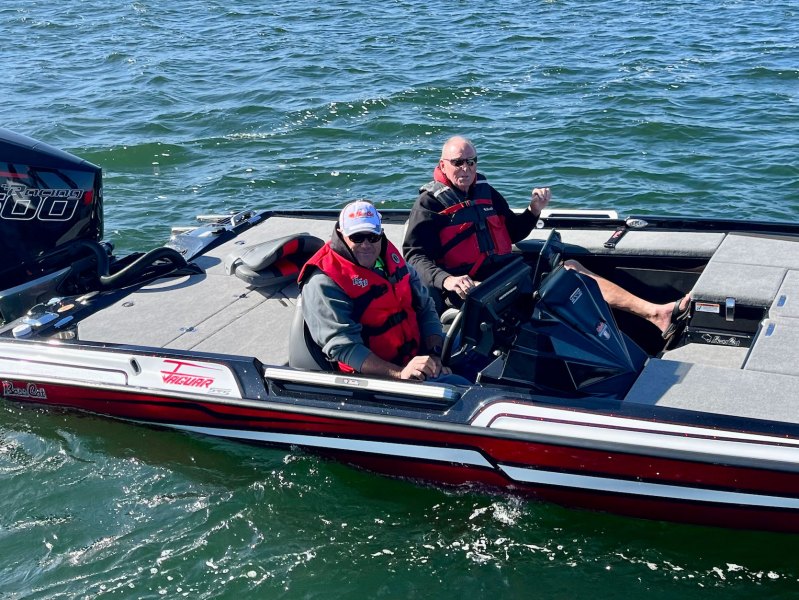
Anglers spend long hours on the water, so comfort isn’t negotiable. The ideal fishing life jacket offers a roomy cut through the shoulders and arms, allowing the freedom to cast, reel, and handle tools without restriction.
For most situations, foam-filled Level 70 (Type III) life jackets are good all-purpose solutions. They offer instant buoyancy with no activation required, an advantage for solo anglers or those fishing in remote waters. A foam-filled vest’s broader coverage also has space for fishing-specific features, like zippered pockets, tool loops, and D-rings to keep essentials within reach.
In hotter climates, inflatable suspender-style life jackets may prove more comfortable and thus more apt to be worn, but make sure they automatically inflate, especially if you’re fishing alone. If something goes wrong you won’t have to rely on manual activation.
Coastal/Offshore Waters
Venture beyond protected waters and your life jacket needs to step up accordingly. In coastal and offshore conditions, Level 100 or higher (Type 1) life jackets are the gold standard. They’re bulkier than Level 70 vests, but offer significantly more buoyancy, a critical advantage when you may be in the water for an extended period. High-flotation life jackets are labelled according to the amount of flotation they provide, measured in newtons: Level 100, Level 150 and even Level 275 devices are available.
Most importantly, life jackets rated Level 100 and above are designed to turn most unconscious wearers face-up, keeping airways clear. That added buoyancy also positions the wearer higher in the water, improving breathing and visibility.
When choosing an offshore life jacket, look for high-visibility colors, reflective panels and attachment points for safety gear like whistles and lights.
All-Purpose Backup
Ideally, every life jacket onboard is properly sized for its intended wearer, but it’s smart to carry a few backups. That’s where the classic “horse collar” life jacket earns its keep. Known as Type II in the old system, these life jackets are now classified as Level 70 or Level 100, depending on how much flotation they provide.
Simple and adaptable, these vests slip over the head and secure with a single strap around the waist, allowing them to fit a wide range of sizes. They’re designed for use in calmer, inland waters, where help is close at hand, and provide enough buoyancy to keep a conscious wearer afloat.
Be aware of limitations. While some horse-collar vests can turn an unconscious person face-up, they’re not as reliable in that role as offshore jackets, and their broader sizing guidelines may require users to tread water to keep their head above the surface.
Still, as a backup for guests or unexpected passengers, they’re a practical, affordable, space-efficient addition to any boat’s safety kit.